Look Confident Without Trying Too Hard
- Confidence shows in four levers: stance, eye contact, speaking pace, and hands.
- Stand with feet under hips, weight 60/40 mid‑foot/heel, and a soft belly breath.
- Use 4–6 second eye contact bursts with calm breaks; never force a stare.
- Speak 10–20% slower than your default; pause 0.5–1.0 seconds at commas.
- Give your hands a job: light gesture window, one pocket only, phone away.
The quick read: confident in 10 minutes
You don’t need a new personality. You need repeatable cues. Here’s the fast setup you can run before a meeting, a date, or walking into a room.
One-minute checklist
- Stance: Feet under hips, toes forward. Unlock knees. Weight slightly back from toes. Imagine a string lifting the crown of your head.
- Shoulders/arms: Roll shoulders up-back-down once. Elbows hang. Hands visible at your sides or lightly clasped at navel height.
- Face/eyes: Neutral mouth with a hint of smile at rest. When you greet, make eye contact for one beat as you say their name.
- Breath/voice: One slow belly breath (4 in, 4 out). Speak 10–20% slower than your default for the first sentence.
- Hands: Park your phone. If holding a drink, keep it at waist level, not chest-high. Gesture inside a small window from ribs to shoulders.
Greeting script
Use name, small pause, then a simple opener:
- "Hey [Name]. Good to see you." (one beat of eye contact; relaxed exhale)
- "Hi, I’m [Your Name]. I’ve been looking forward to this."
Two things to avoid
- The over-smile clutch: Gripping your drink at sternum level and nodding fast reads nervous.
- The statue: Locked knees, chin up, and zero gesture reads stiff. Keep small movement alive.
That’s the spine of looking confident. Now let’s make each lever automatic.
Stance that reads steady, not stiff
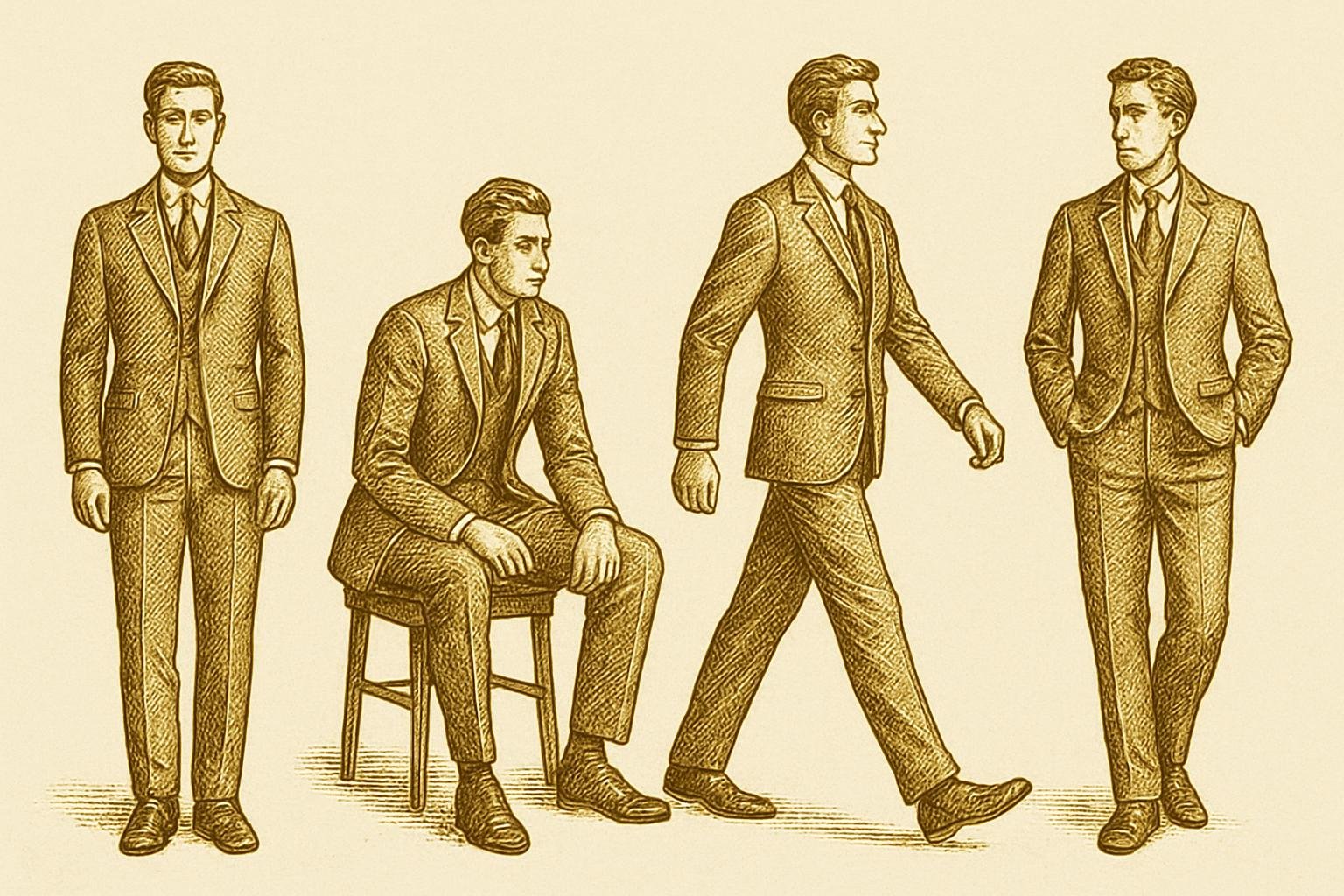
Confident stance is quiet geometry. It’s not puffed-up. Aim for stacked, not rigid.
Standing setup (30 seconds)
- Feet: Under hips, toes forward. Imagine screwing your feet into the floor slightly to create light outward tension.
- Weight: Mid-foot to heel. You should be able to wiggle your toes. This kills the anxious forward lean.
- Pelvis: Tuck a hair (one percent), just enough to stop a swayback.
- Ribs: Down over pelvis. Don’t flare. Picture your ribcage as a box stacked over your hips.
- Shoulders: Up–back–down once, then leave them. No pinching.
- Neck: Chin level, crown of the head tall. Imagine your ears over shoulders.
Seated posture that doesn’t shrink you
- Chair depth: Scoot hips back, then lean chest forward 5–10 degrees from the hips. Backrest can touch you but don’t melt into it.
- Legs: Both feet flat or one ankle on the opposite shin. Avoid wide splay. Knees point where your chest points.
- Arms: Forearms on armrests or lightly on the table edge, not crossed chest-high.
Two drills to lock it in
- Wall stack (60 seconds): Heels, glutes, mid-back, and the back of your head touch a wall. Take six calm breaths without lifting your ribs. Step away and keep the stack.
- Doorway reset: Any time you pass a doorway, cue "tall, soft knees, ribs down." It’s a two-second reset you can repeat all day.
When you stack the skeleton and let your breath drop low, you look settled. That’s the signal.
Eye contact that feels natural
Confidence isn’t a stare. It’s rhythm. Use short, steady connections with clean exits.
Your baseline
- On a 1:1: Hold eye contact for 4–6 seconds, then look briefly to the side or down at what you’re discussing, then return.
- In groups: Give the talker 2–3 seconds, then spread to others as you nod. You’re sharing attention.
- While speaking: Land eye contact for the start and end of your sentence. Float off briefly during the middle if you’re thinking.
How to break without looking evasive
- When you’re listening, blink once and release your gaze to the side or down to the table, not straight down to your lap.
- When you’re speaking, finish the sentence, exhale, glance away a beat, then reconnect.
Two micro-expressions that help
- Resting half-smile: Corners of the mouth soft, not clenched. It keeps your face open.
- Eyebrow agree: A tiny raise when you say “right” or “yeah” shows you’re tracking without over-nodding.
Practice rep
Read a paragraph out loud to your front camera. Mark spots to land eye contact on the first and last words of each sentence. Two minutes a day for a week calibrates your feel.
On dates, pair this with body orientation: turn your chest 15–30 degrees toward them, not squared head-on. More comfortable. If you want more detail specific to first dates, read this first date body language guide.
Voice and pace: the sound of calm

The same sentence can read tense or confident based on breath, pace, and where you put the silence.
Three simple dials
- Breath: In through the nose, low into the belly. Speak on the exhale. One slow breath before you start calms pace for the first 10 seconds.
- Pace: Aim to speak about 10–20% slower than your default. Add a 0.5–1.0 second pause at commas, and a full beat at the end of a thought.
- Volume: On a scale of 1–10, pick a steady 6 for normal conversation. Drop to a 5 for sensitive points. If it’s loud, step closer instead of shouting.
Downward finish
End declarative sentences with a slight downward inflection. It’s a period, not a question mark. Try: “Let’s meet at noon.” (down) vs. “Let’s meet at noon?” (up).
Warm-ups before you walk in (90 seconds)
- Shoulder roll x3, jaw release x3: Gentle open-close, tongue resting on the roof of your mouth.
- Hum a low note: 10–15 seconds to wake up resonance without pushing.
- Anchor line: Say one opener at your target pace: “Good to see you.” Pause. “How’s your week going?”
Record a 30-second voice note once this week. Play it back and adjust just one thing: slower starts, cleaner endings, or one more breath. Keep it simple.
What to do with your hands
Your hands sell your calm. Give them a job so they don’t go hunting for one.
The gesture window
- Zone: Ribs to shoulders, elbows bent. Gesture small and deliberate. One gesture per sentence is plenty.
- Fingers: Loosely together. Avoid pointing. Use an open palm when offering options or agreement.
Pocket rules
- Standing: One hand in a pocket is fine; two hands in pockets reads checked out. Switch sides every few minutes.
- Seated: Hands lightly on the table edge or relaxed in your lap. Keep them visible.
Drink and phone management
- Drink: Hold at waist or lower rib level. Sip, return to resting spot. Don’t shield your chest with it.
- Phone: Out of your hands. Face-down, away. If you must hold something, a slim key ring in your non-dominant hand works as an anchor.
Handshake basics
- One step in, square your chest, vertical grip, web-to-web contact, two pumps, release. Keep your elbow close, not flared.
- Say their name during the first pump. Eye contact for one beat, then release.
Fidget control toolkit
- Anchor object: Coin or key ring in your pocket. Feel it once, then forget it. It stops leg bounce.
- Reset cue: If you catch a fidget, exhale, place hands at navel height for two breaths, resume.
Hands that rest low, stay visible, and move with intention make you look settled and engaged.
Everyday situations playbook
Here’s how to apply all four levers in real life. No theatrics. Just small, believable moves.
Walking into a room
- 3 steps before the door: Tall, soft knees, slow exhale.
- At the threshold: Pause half a second. Quick scan. Pick a destination (host, bar, friend) and walk directly.
- First contact: Eye contact for one beat. “Hi, I’m [Name].” Name again when they reply.
Joining a small group
- Approach from a clear side, not from behind. Hand visible in a half-wave before you speak.
- “Mind if I jump in for a minute?” Then land one short point, ask a question, listen.
- Stand at the edge of the circle with one foot slightly back so you can angle in or out smoothly.
First dates
- Seat choice: Sit at 90 degrees to each other if possible. It eases eye contact.
- Opening line: “I’m glad we picked this spot.” Small smile, one beat of eye contact.
- Hands: Drink low, gesture small. Avoid face-touching; it reads uncertain.
For a deeper date-specific breakdown of posture and touchpoints, check our first date body language guide.
Meetings
- Start: Place notebook or laptop, shoulders down, feet flat. One sentence at your slower pace: “Agenda’s three points.”
- Disagreeing: “I see your point. Here’s my concern…” Downward finish, neutral face.
Photos and intros
- Photos: Weight on your back foot, front foot at a 30-degree angle, shoulders open, chin level. Hands: one in pocket, one relaxed.
- Self-intros: “I’m [Name]. I help [people] do [simple result].” Then stop talking. Let them ask.
If you’re rebuilding after a split or a long time off the scene, you’re not alone. Many men revisit body language as they return to social and dating life. If that’s you, this candid piece may help: dating after divorce at 40.
Get honest feedback and level up
Confidence signals are physical. You’ll calibrate faster with objective feedback and small, repeatable reps.
Simple reps you can do this week
- 30-second doorway drill: Every time you hit a doorway, stack tall, exhale, and place your hands at navel height. Count to three, then continue.
- Two-call tune-up: Record the first 30 seconds of your next two calls. Adjust just one dial: slower start, cleaner ending, or fewer filler words.
- Eye contact loop: During one conversation per day, land eye contact on the first and last word of one sentence. That’s it.
Ask for a mirror you can trust
- Friend check: Ask one direct question: “Do I come off rushed, flat, or fine?” Take the note without defending it. Adjust one thing next time.
- Video truth: Prop your phone and film a 60-second self-intro. Watch at 1x and at mute. Fix one cue: stance, eyes, pace, or hands.
If you want an outside eye and a concrete plan, Suvant gives you a blunt image audit from three photos. You’ll see scores across face, hair, skin, body, style, grooming, photos, and presence—with the real reasons behind each number. Then it turns into quests with exact deliverables, like a barber brief you can hand to your chair.
The audit is free and takes about two minutes. If you choose the full plan, it’s $89/yr with a money-back guarantee. Web app only at app.getsuvant.com. You’ll also get monthly re-audits so your improvements compound.
For more posture detail and first‑impression tactics, this piece pairs well: posture and presence in first impressions.
Put it all together
Confidence is a pattern you repeat, not a mood you wait for. Set your stance, make clean eye contact, slow the first sentence, and give your hands a job. That four-part loop will carry you in rooms, meetings, and dates without theatrics.
Pick one lever per week. Week 1: stance. Week 2: eyes. Week 3: pace. Week 4: hands. By week 5, your baseline will look and feel steadier. If you want a structured path (with XP and re-audits to keep you honest), that’s exactly what Suvant was built to do. If not, this guide is enough to get you moving—one calm rep at a time.
Get the honest audit you've never gotten.
Three photos, eight scores, the real reasons behind each number, then a ranked plan to fix them one move at a time.
Get my free audit →