Posture And Presence: The Free Upgrade Most Men Skip
- Run a 20-second standing reset and 20-second sitting reset every time you change tasks.
- Kill phone-neck daily with a two-minute chin-tuck and doorway chest stretch sequence.
- Do the doorway check ritual before any entry: tall, open, ready hands, breathe.
- For photos, angle your body 10–20°, lower shoulders, long neck, and plant your feet.
- Stack posture habits to triggers you already do: car door, coffee, calendar alerts.
Start Here: The Quick Upgrade
You asked how to improve posture and presence. Here’s the short, do-today plan:
- Standing reset (20 seconds): Feet under hips, unlock knees. Imagine a string from crown of head pulling you tall. Gently tuck chin back 1 cm (not down). Exhale and let ribs drop so your lower ribs align over pelvis. Roll shoulders up-back-down once and stop. Palms loose by seams, thumbs pointing forward.
- Sitting reset (20 seconds): Hips back in chair. Sit on the front half of your sit bones (not tailbone). Plant both feet. Stack ribs over pelvis. Pull keyboard or laptop close so elbows are at 90–110°. Chin back 1 cm, screen top at eye level.
- Phone-neck fix (2 minutes): 10 slow chin tucks (3 seconds back, 3 seconds relax). Then a doorway chest stretch, 30 seconds each side, elbows at shoulder height.
- Doorway check ritual (5 seconds): Before you enter a room, date, or meeting: tall, shoulders down, slow exhale, soft face, phone pocketed, hands visible.
- Photos posture (10 seconds): Turn your body 10–20° off-camera, one foot slightly forward, weight on back foot. Long neck, lower shoulders, slight smile.
Run those five moves on repeat. They cost nothing. They change how you read in person and in pictures.
The Standing Reset That Sticks
Most slouching isn’t laziness. It’s default settings from hours at a desk and years of carrying stress in your neck. Here’s a reliable 6-point standing checklist you can hit in 20 seconds.
- Feet: Under hips, toes pointing straight or 5° out. Feel big toe, little toe, and heel on the floor. That tripod grounds you.
- Knees: Soft, not locked. Think 2% bend.
- Pelvis: Tip your belt buckle up a hair until you feel your low ribs stack over it. No butt clench. Just neutral.
- Ribcage: Exhale through the mouth for 3–4 seconds and pause. Let the ribs drop. That sets your midline without puffing the chest.
- Shoulders: One roll up-back-down. Stop when your collarbones feel wide, not pinched.
- Neck and head: Imagine a shelf behind the back of your skull. Gently glide your head back onto it. Crown up, chin level.
When to run it: Every time you stand up from a chair, get out of your car, or pick up your bag. You’ll do it 8–12 times a day without adding calendar blocks.
What to avoid: Military chest, squeezed shoulder blades, chin up to the ceiling, toes flared out like a duck. All of that looks tense on camera and in person.
Sit Better, Kill Phone-Neck
Sitting is where posture gets taxed. Your goal: support, stack, and small resets often.
Two-position rule for long sits
- Position A (focused work, 25–40 min): Hips back, feet planted, ribs stacked, screen at eye level, elbows 90–110°.
- Position B (looser, 10–15 min): Same stack, but recline the chair 10–15°. Raise screen slightly. This gives your back a break without collapsing.
Timer cue: Use 40/10 or 30/5 blocks. At each break, stand and run the standing reset once. That’s 20 seconds, not a workout.
Phone-neck antidote you’ll actually do (2 minutes)
- Chin tucks x10: Sit tall. Glide your head straight back so your ears move over shoulders. 3 seconds back, 3 seconds relax. No nodding.
- Doorway chest stretch: Elbow at shoulder height on the frame, forearm vertical. Step through until you feel a stretch across the chest, not the front of the shoulder. 30 seconds each side. Breathe out slowly.
- Eye-level habit: Raise your phone to sternum height when you scroll. If your elbows feel tired, that’s your cue to put the phone down.
Desk fit check (60 seconds):
- Top of monitor at eye height.
- Chair height so thighs are parallel to floor, feet flat.
- Keyboard close enough that shoulders don’t creep forward.
- Laptop users: stand it on 2–3 books and use an external keyboard/mouse. Your neck will thank you.
The Doorway Check Ritual
This is how you enter a room or a date without overthinking. You do it at the threshold, in 5 seconds, every time.
- Stop in the frame: Toes on the line. Exhale once through the mouth. That drops your ribs and resets your face.
- Set tall: Crown up, chin back 1 cm, shoulders down and wide.
- Hands visible: Phone pocketed, one hand lightly on your keys or a glass, the other relaxed. It reads open and ready.
- Soft face: Tongue off the roof, unclench jaw. Small smile in your cheeks, not a grin.
- First 10 steps: Smooth pace. Eyes up at eye level. If you’re meeting someone, plant your feet shoulder width before you speak.
Scripts you can use on entry:
- Meeting someone: “Good to see you. You want to grab that table by the window?”
- Group setting: “Hey—I’m Jack. I don’t think we’ve met yet.”
- Host or staff: “Hi—reservation for Jack at 7. We’re two.”
Presence is clarity. Short sentences. Calm pace. Plant your feet before you talk.
How Posture Reads in Photos
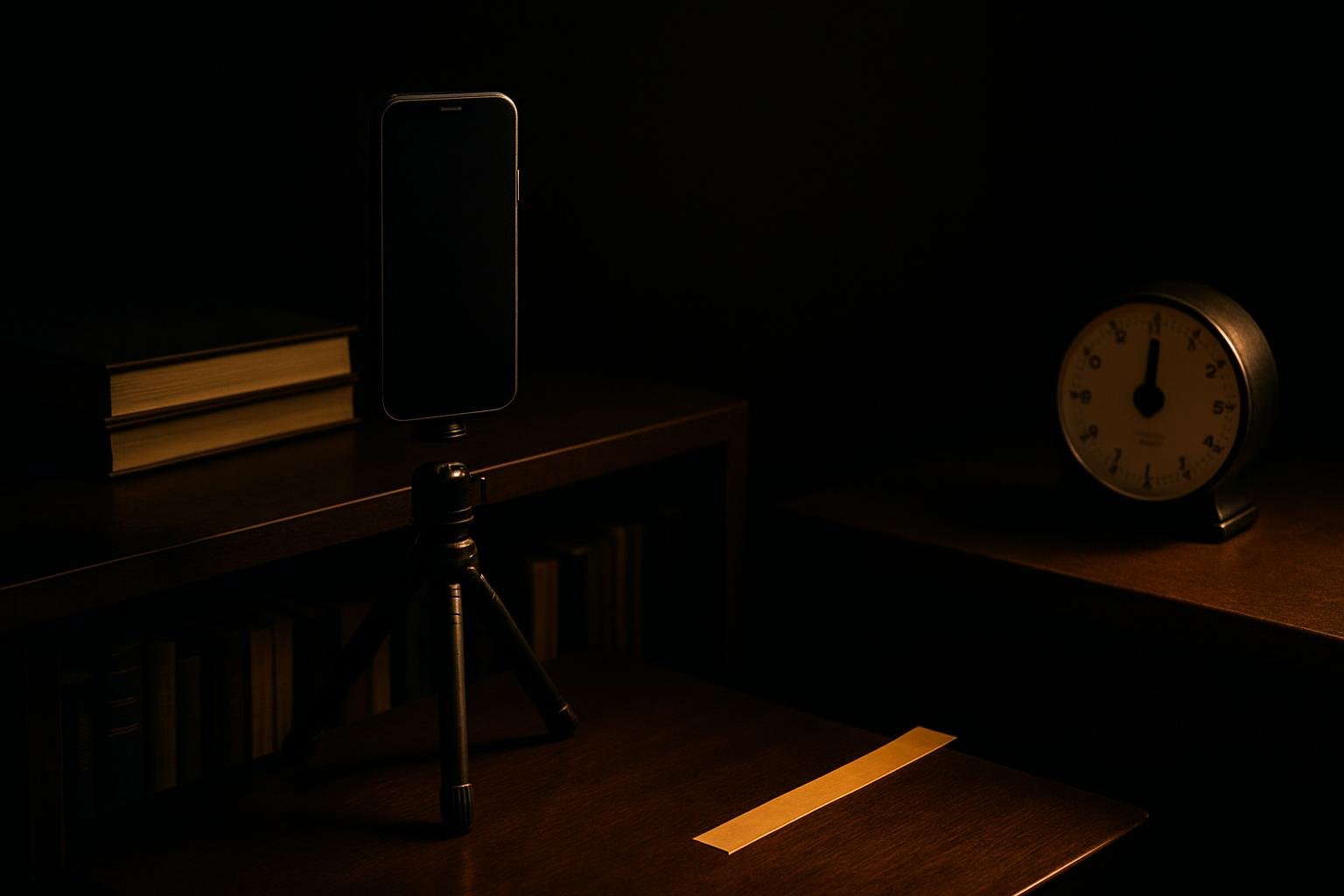
Photos punish tension and collapse. They reward calm length and small angles. Use this 60-second setup before any profile pic, headshot, or date-night snap.
- Feet and angle (10–20°): Turn your body slightly off-camera. Plant both feet. Put your weight mostly on your back foot.
- Hips and ribs: Stack ribs over pelvis. If you tend to arch, exhale and let the chest relax.
- Shoulders: Lower them on a long exhale. Imagine sliding your shoulder blades into back pockets. Don’t squeeze.
- Neck and jaw: Glide head back, then reach the crown up. Tip your chin down 2–3° if you see shadow under your eyes. Keep your jaw loose.
- Hands: One in pocket with thumb out, or both relaxed at sides with a subtle finger curl. No clenched fists.
- Face: Breathe out through the nose, micro-smile in the cheeks, eyes at camera or just past it.
Self-timer drill (3 shots): Set your phone on a shelf at eye height. 3-second timer. Take three frames:
- Frame 1: Straight on, neutral face, check your stack.
- Frame 2: 15° turn, back foot weighted, lower shoulders.
- Frame 3: Same as 2, slight smile with eyes, lips gently closed or parted.
Compare the three. You’ll see how 10–20° and a long neck change everything. For more on expression and mouth position, use our guide on how to smile in photos.
Common photo mistakes to kill:
- Neck craned forward at the lens—pull back, then lengthen up.
- Elbows pinned to ribs—create 1–2 cm of air between arm and torso.
- Feet too close—widen to hip width for stability and ease.
- Phone held low—raise to eye level or higher; nobody needs the chin shot.
Wardrobe note: Posture shows better in structure. A jacket with light shoulder shape, a collar that sits on your neck, and sleeves that end at the wrist bone read sharper. If you’re planning a first date, pair this with what you wear from our guide on what to wear on a first date over 40.
If you want a blunt checklist for your next round of photos, Suvant gives you a photo audit with notes on posture, angles, and framing. Upload three shots at app.getsuvant.com, free to start.
Walking, Sitting, Talking: Presence In Motion
Presence isn’t a pose. It’s how you move and sound between moments. Keep it simple and repeatable.
Walking
- Stride: Shorten slightly. Let your heel kiss the ground, roll through, push off the big toe. Fast, choppy steps read tense; long stomps read heavy.
- Arms: Swing from the shoulders, thumbs forward, hands relaxed. If your hand is a fist, exhale and uncurl it.
- Head: Eyes to the horizon line. Crown up, chin level.
Sitting with people
- Plant: Feet flat, knees at a soft angle. Sit on your sit bones, not tailbone.
- Open angle: Turn your torso 10–20° toward the person. Elbows off the table unless you’re using them.
- Lean timing: Listen: lean in a little. Speak: plant back over your hips. That rhythm looks calm and clear.
Hands and objects
- Hold a glass at mid-chest, elbow relaxed. Set it down between points, not while talking.
- Phone stays put once the conversation starts. If you must check it: “One sec—work text,” then pocket it again.
Voice and eye contact
- Pace: Slow your first sentence by 10%.
- Volume: Aim for one notch louder than your living room voice.
- Eye contact: Look at the person while you ask. Glance away for a beat while you think. Land back on them for your point. It reads considered, not robotic.
Micro-scripts that land:
- Starting a chat: “Hey—I’m Jake. How’s your week going?”
- Bridging: “Walk me through that.”
- Ending clean: “Good talking with you. I’m going to grab water—be right back.”
Reps matter. These are low-drama defaults you can hit on any day, even when you’re tired.
Your 30-Day Presence Plan
You don’t need new gear. You need triggers and repetition. Here’s a month that builds posture and presence without stealing your day.
Daily (under 5 minutes total)
- Morning: Two-minute phone-neck sequence (chin tucks x10, doorway stretch 30s/side).
- Commute: Standing reset as you exit the car or train. One breath, crown up, shoulders down.
- Work blocks: 40/10 or 30/5. Standing reset at each break.
- Entry points: Doorway check before meetings, lunch, gym, and walking into the restaurant.
- Night: One minute of wall stand: back of head, mid-back, and hips lightly touch a wall, heels 2–4 inches out. Breathe for five slow breaths.
Weekly anchors
- Monday: Self-timer photo set (3 frames) after you get dressed. Review angles and neck length. Keep the best, delete the rest.
- Wednesday: 5-minute posture audit of your workstation: chair height, screen eye level, keyboard reach.
- Friday: 10-minute walk with presence: eyes level, even steps, shoulders loose. No earbuds. Pay attention to your pace.
- Weekend: One social rep. Do the doorway ritual and a clear opener at a cafe or gathering.
Environment tweaks (set once)
- Raise screens to eye level (books are fine).
- Stick a small dot on your car’s rearview mirror; every time you see it, do the chin-back 1 cm cue.
- Put a strip of painter’s tape at a 15° angle on your floor where you take photos.
- Put a hook near your door so your jacket hangs ready; structure helps posture read on you.
Optional help: If you want ranked next moves with clear deliverables (including photo posture and entry scripts), Suvant’s image audit and quests are built for repeatable reps. The audit is free and takes about two minutes. The full plan is $89/yr with a money-back guarantee.
If you’re returning to dating and want wider context on pace and mindset, pair this with our guide on dating after divorce at 40.
Get the honest audit you've never gotten.
Three photos, eight scores, the real reasons behind each number, then a ranked plan to fix them one move at a time.
Get my free audit →