Nose and Ear Hair: The Two‑Minute Weekly Check
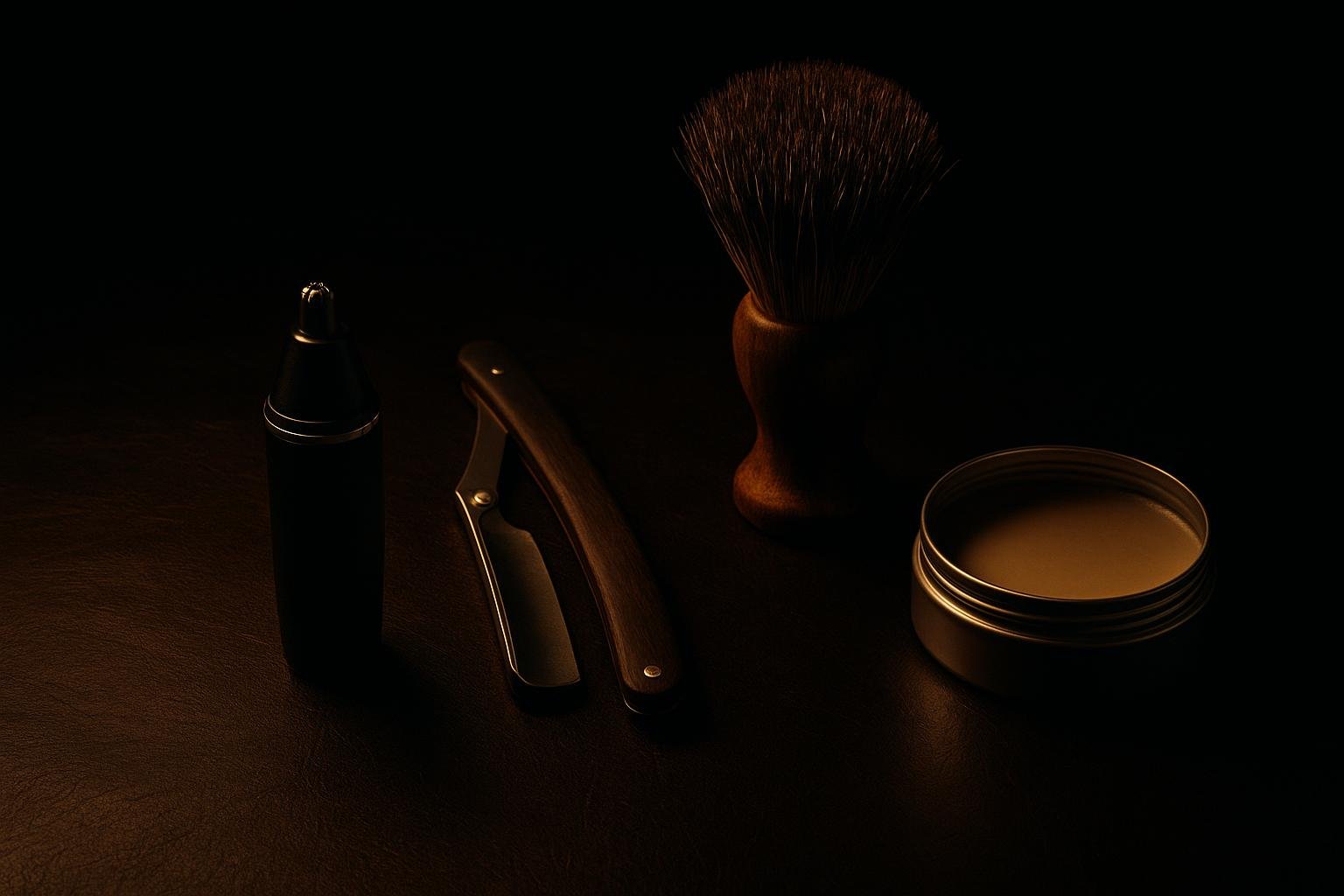
- Do a two‑minute nose and ear check once a week, ideally after a shower.
- Use a dedicated nose/ear trimmer and small grooming scissors—never tweezers for plucking.
- Only trim visible hairs: 3–5 mm inside the nostril and just at the ear opening and rim.
- Short, gentle passes beat pressing hard; clean the trimmer after each use.
- Pair the check with your shave or beard trim so you never forget it.
The two‑minute weekly check: what to do and when
You don’t need a whole operation. You need a repeatable, two‑minute sweep every week. Right after a warm shower is ideal—steam softens hair and opens things up. Here’s the fast pass:
- Light and mirror. Stand in bright, even light. Use a clean mirror and tilt your chin up slightly.
- Nostrils first (45–60 seconds). Blow your nose, then use a dedicated nose trimmer. Gently circle just inside each nostril—no deeper than 3–5 mm. Make two slow passes per side. Snip any obvious outliers with small grooming scissors.
- Ears next (45–60 seconds). Trim hair at the entrance of the ear canal, the rim (helix), the notch (tragus), and the lobe. Short, light strokes. Do not dig into the canal.
- Finish (10–15 seconds). Rinse the trimmer head under warm water if it’s washable, tap dry, brush off debris, and dab a drop of unscented moisturizer around the nostrils and outer ear if skin looks dry.
Cadence: Once a week for most men. If your hair grows fast, add a mid‑week 60‑second touch‑up. Keep the check on the same day you shave or trim your beard to build the habit.
The right tools: what to buy, what to skip
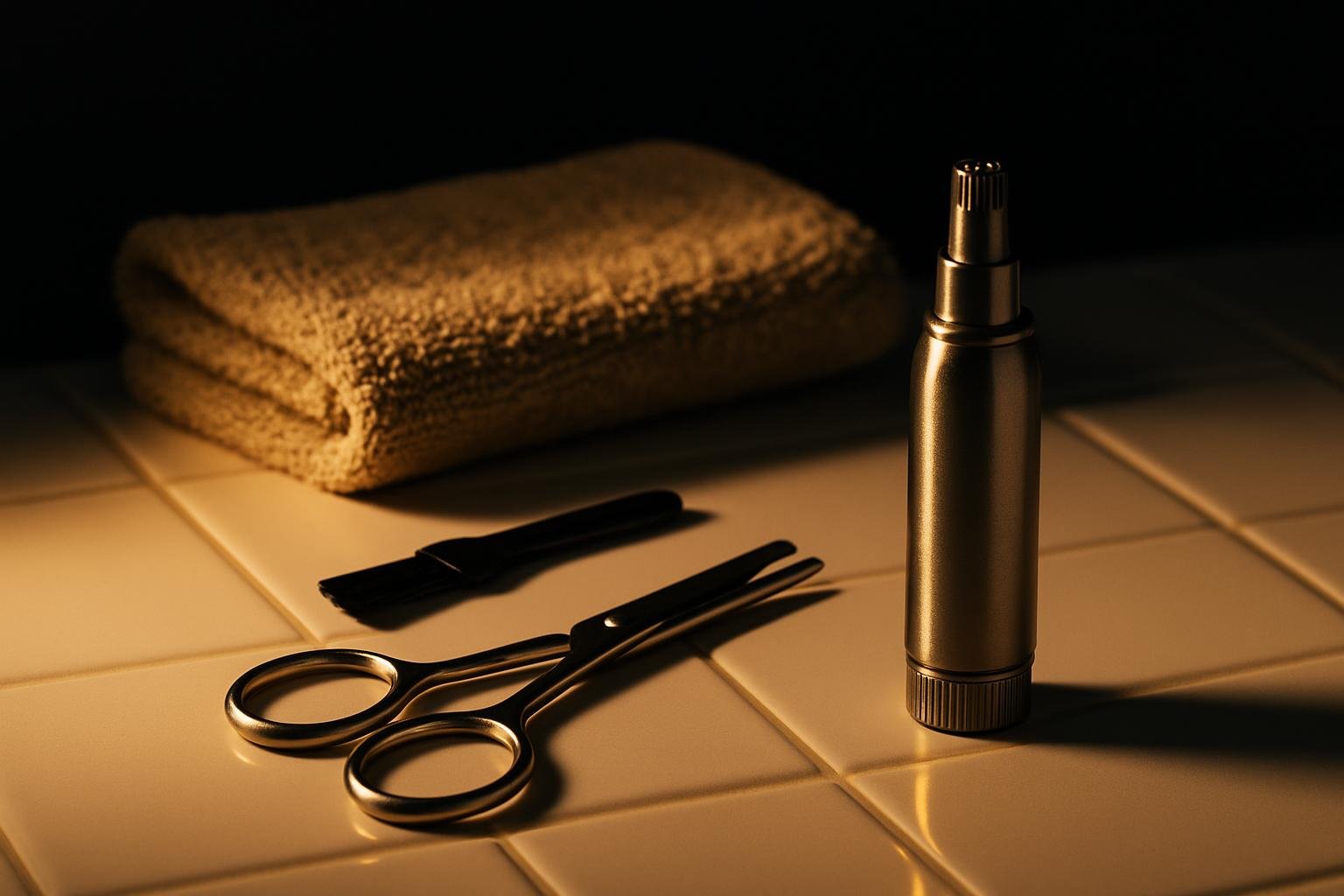
You need two tools and good light. That’s it. Spend once, maintain forever.
- Nose/ear trimmer: Choose a dual‑edge vertical blade or rotary head designed for nose and ear hair. Prioritize a washable head, stainless steel blades, and a quiet motor. Rechargeable is nice; AA battery models work fine.
- Grooming scissors: Small, curved‑tip or rounded‑tip scissors for precision snips on rim hairs the trimmer can miss. Keep them sharp and clean.
- Mirror and light: A bright bathroom with neutral lighting. If your bathroom is dim, add a simple LED vanity light. Avoid shadows.
- Brush and towel: A tiny cleaning brush (usually included) and a hand towel to keep grip dry.
- Optional: Cotton swabs for a pre‑trim sweep at the nostril entrance. Unscented moisturizer for post‑trim comfort on the outer areas only.
Skip: Tweezers for plucking (painful and can irritate). Waxing or depilatory creams at home near the nostrils or ear canal (messy and easy to overdo). Straight razors in the nose or ear (risky).
Maintenance: Rinse a washable trimmer head after every use, brush it out, and air‑dry. Disinfect blades weekly with a light spritz of 70% isopropyl alcohol (avoid motor parts). Replace the cutting head or the unit every 12–18 months if performance drops.
Nose trimming: safe, fast, and tidy
The goal is simple: remove what’s visible and unruly, leave the rest. Inside your nose, hair does a job—don’t strip it.
- Prep (15 seconds): Shower first if you can. Blow your nose. If dry, a quick rinse and pat dry is fine.
- Angle and depth: Lift the tip of your nose slightly with one finger. Guide the trimmer just inside—3–5 mm, no deeper. Think entrance, not tunnel.
- Motion: For rotary heads, slow circles touching the inner edge, two passes per nostril. For vertical blades, trace the inside rim with gentle up‑and‑down taps. Do not press hard.
- Check from below: Tilt your chin up. If a single hair peeks out, snip it with grooming scissors instead of chasing deeper with the trimmer.
- Clean up: Rinse the head if it’s washable and tap out loose hairs. A quick splash of water around the nostrils (outer skin) helps remove strays. Pat dry.
Common mistakes to avoid:
- Going deep. More isn’t cleaner. Deeper cuts increase irritation. Stay shallow.
- Pressing hard. Pressure causes nicks. Let the blades do the work.
- Chasing tickles immediately. If it tickles after trimming, wait a minute; loose hairs often settle or rinse out.
Ear trimming: tidy the rim, not the canal
Ear hair likes to hide at angles. Work methodically. Never insert tools deeply.
- Prep (10–15 seconds): After a shower, dry your ears fully. A dry grip beats slipping.
- Rim (helix): Run the trimmer along the outer rim in short strokes. Pull the top of your ear gently to flatten curves. Two slow passes are enough.
- Tragus and notch: That small flap at the front of your ear can sprout wiry hair. Fold it forward a touch and skim with the trimmer tip. Keep the strokes feather‑light.
- Entrance of the canal: With the trimmer barely at the opening, remove only hairs you can see from straight on. Do not push inward.
- Lobe and behind the ear: Sweep the lobe, then run a pass behind the ear where strays collect near the hairline.
- Final check: Turn your head left/right under the light. Snip any single long hair the trimmer skipped.
For heavy growth: Tackle the obvious first. If rim fuzz spreads onto the cheek or sideburn area, blend it during your beard trim or ask your barber for a quick edge clean‑up—they do this daily and it takes minutes.
Avoid: In‑ear waxing at home or sticking sharp tools inside the canal. Keep it surface‑level and controlled.
Build it into your routine so you never forget
Consistency is the difference between looking sharp and playing catch‑up before a date. Slot this into what you already do.
- Pair it with your shave or beard trim: After you shape stubble or a beard neckline, do the nose/ear pass. The mirror and light are already set. If you keep facial hair, read our guide on shape options in beard styles for older men so the edges and ear area blend cleanly.
- Weekly cadence: Pick one anchor: Sunday night or Monday morning. Put a repeating two‑minute reminder on your phone. Keep the trimmer visible—out of sight usually means out of mind.
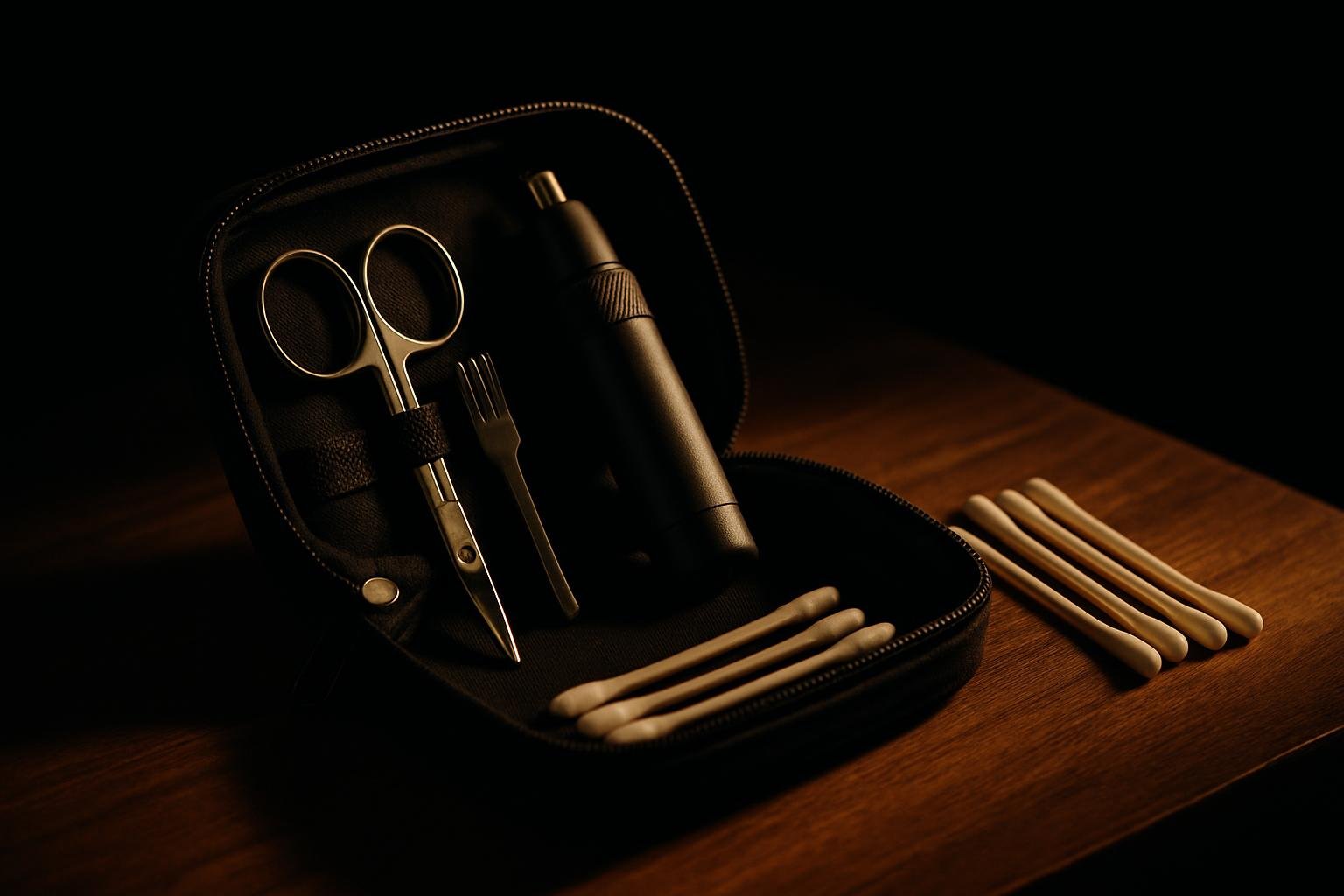
- Travel setup: Toss a compact trimmer, small scissors, and a brush into a zip pouch. Check batteries before trips. Hotel bathroom lighting can be harsh; stand a step back from the mirror to spot rim hairs.
- Combine with brow and skin checks: While you’re there, tame long brow strays and clear ear‑rim fuzz. For brow specifics, see eyebrow grooming for men. If dryness or flaking at the rim is consistent, tighten your routine with the basics from a simple skincare routine over 40.
Want a second opinion? If you’re not sure what others see, Suvant’s image audit grades grooming and gives plain‑English reasons, plus a barber‑style brief you can actually use. The audit is free and takes about two minutes at app.getsuvant.com.
Finishing touches, mistakes, and quick fixes
You’ll get 95% of the result by doing the basics weekly. Here’s how to polish the last 5% and avoid common issues.
- Strays that keep popping out: They’re usually a touch longer or wirier. Snip them with scissors rather than pushing the trimmer deeper. Re‑check under brighter light at a different angle.
- Redness after trimming: Ease up on pressure next time. Rinse the area with cool water and pat dry. A tiny dot of unscented moisturizer on the outer nostril skin or ear rim can calm dryness.
- Nicks: Press with a clean tissue for 30–60 seconds. Don’t pick the spot later. Next time, dry your hands and tools completely before starting.
- Ingrowns around the ear rim: Keep strokes light and avoid shaving the area bare with a razor. A soft washcloth in the shower can help keep the skin surface smooth.
- Blending with facial hair: Ear and sideburn edges should look intentional, not carved. If you wear facial hair, align the sideburn taper and cheek line with your ear clean‑up. Our beard styles for older men guide shows shapes that keep everything coherent.
- When to ask a pro: If ear rim fuzz extends into your haircut area or if your tools can’t keep up, ask your barber for a quick ear and brow pass during your next cut. It takes under a minute in the chair.
Want structured accountability? Suvant turns grooming into a ranked checklist with XP and monthly re‑audits. If nose and ear hair are weak spots, you’ll get specific, timed quests and even a simple barber brief. The full plan is $89/yr with a money‑back guarantee, and you can start free at app.getsuvant.com.
Get the honest audit you've never gotten.
Three photos, eight scores, the real reasons behind each number, then a ranked plan to fix them one move at a time.
Get my free audit →