Smell Fresh, Not Teenage: Deodorants That Suit 40+
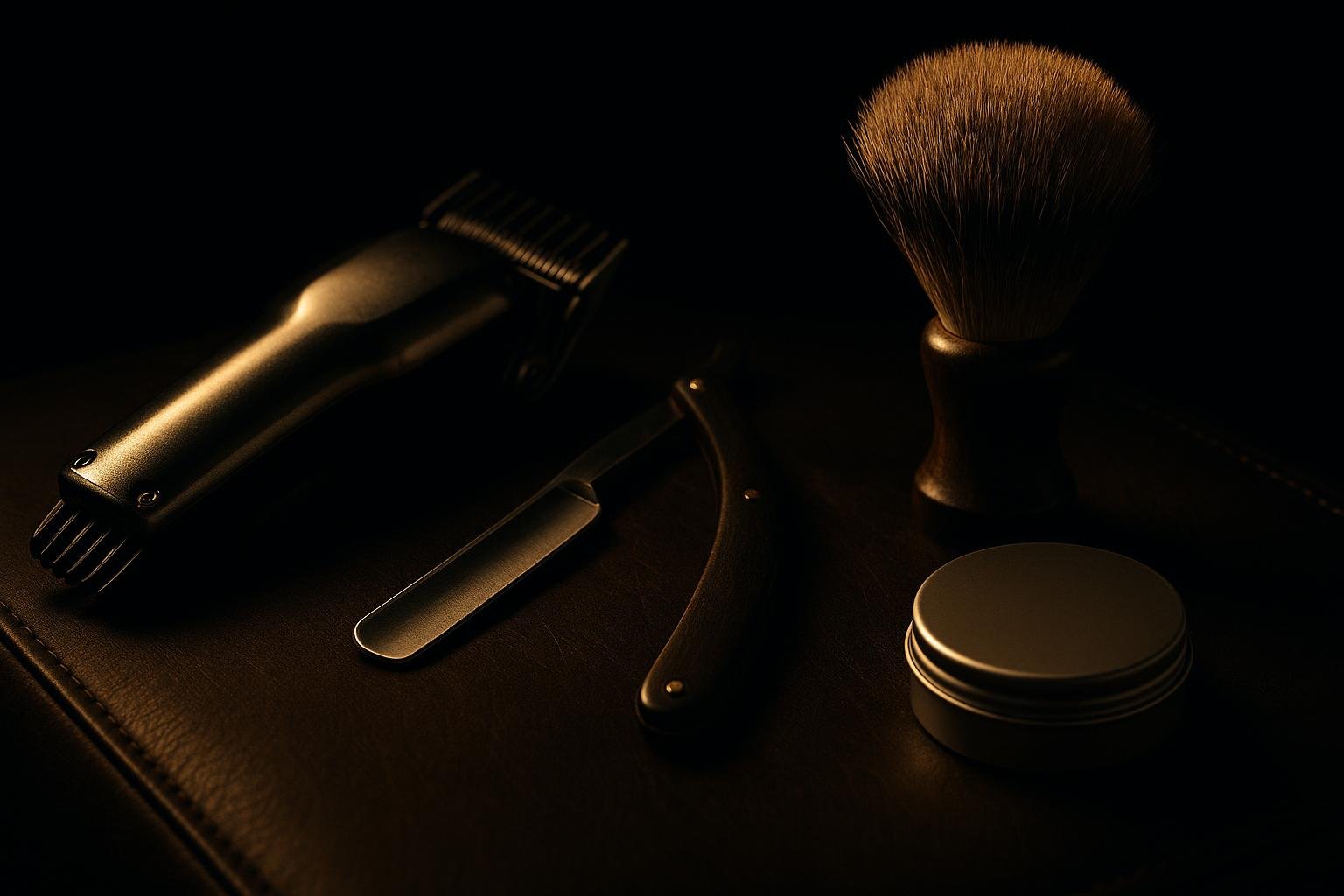
- Pick format by sweat level and fabric: solid sticks for cotton days, roll-on or gel under fitted dress shirts.
- Use deodorant for odor control; antiperspirant if wetness is the main issue, or layer them smartly.
- Choose adult scents: light woods, citrus, green-herbal, or unscented if you’re wearing cologne.
- Prevent stains by applying less, letting it dry 2–3 minutes, and washing shirts promptly in lukewarm water.
- Sensitive skin? Go fragrance-free, baking-soda-free, and test on the inner arm for 24 hours.
The quick answer: what to use and when
You want clean, reliable, grown-man fresh. The best deodorant for men over 40 depends on two things: how much you sweat and what you’re wearing. Start here and dial in.
Quick picks by situation
- Office, light sweating, dress shirts: Use a clear gel or roll-on antiperspirant (minimal residue) or a low-residue solid stick. Let it dry 2–3 minutes before shirt on.
- Active days, heavy sweating: Use an antiperspirant at night (thin layer) + deodorant in the morning for odor. Reapply deodorant mid-day if needed.
- Date nights with cologne: Use unscented or lightly scented deodorant. Keep your fragrance on your wrists/neck, not in your pits. Pair it with a mature scent (see picks below) and match your cologne.
- Gym bag: Pack wipes, a travel-size deodorant, and a breathable tee. Reapply deodorant only to clean, dry skin.
- Sensitive skin: Choose fragrance-free, baking-soda-free, alcohol-free deodorants. If irritation persists, consider a dermatologist for advice.
How much to apply
- Solid stick: 2–3 light swipes per pit. If it feels waxy or clumpy, it’s too much.
- Gel/Roll-on: Thin, even film. 5–7 seconds per pit. Let dry fully.
- Spray: 1–2 seconds from 6–8 inches. Ventilated room. Don’t overspray.
Bottom line: odor needs deodorant; wetness needs antiperspirant. Keep scent light and adult. Apply less than you think, and give it a minute to set.
Deodorant vs. antiperspirant: which do you actually need?
Over 40, your lifestyle and fabrics matter more than hype. Here’s the straight read:
- Deodorant reduces odor. It doesn’t stop sweat. Pick this if your shirts aren’t getting soaked, but you want to smell clean.
- Antiperspirant reduces wetness. Choose this if you’re seeing underarm rings, especially in warm rooms or under fitted dress shirts.
Smart layering (no clashing)
- Night: Apply a thin layer of antiperspirant to clean, dry pits. Sleep shirtless or in a breathable tee.
- Morning: Shower, rinse thoroughly, dry completely, then use a lightly scented or unscented deodorant. Let it dry 2–3 minutes before dressing.
This split lets the antiperspirant do its work while your morning deodorant keeps you smelling fresh without stacking heavy fragrance. If you don’t need wetness control, skip the antiperspirant entirely.
Formats compared: stick, gel, roll-on, spray, cream
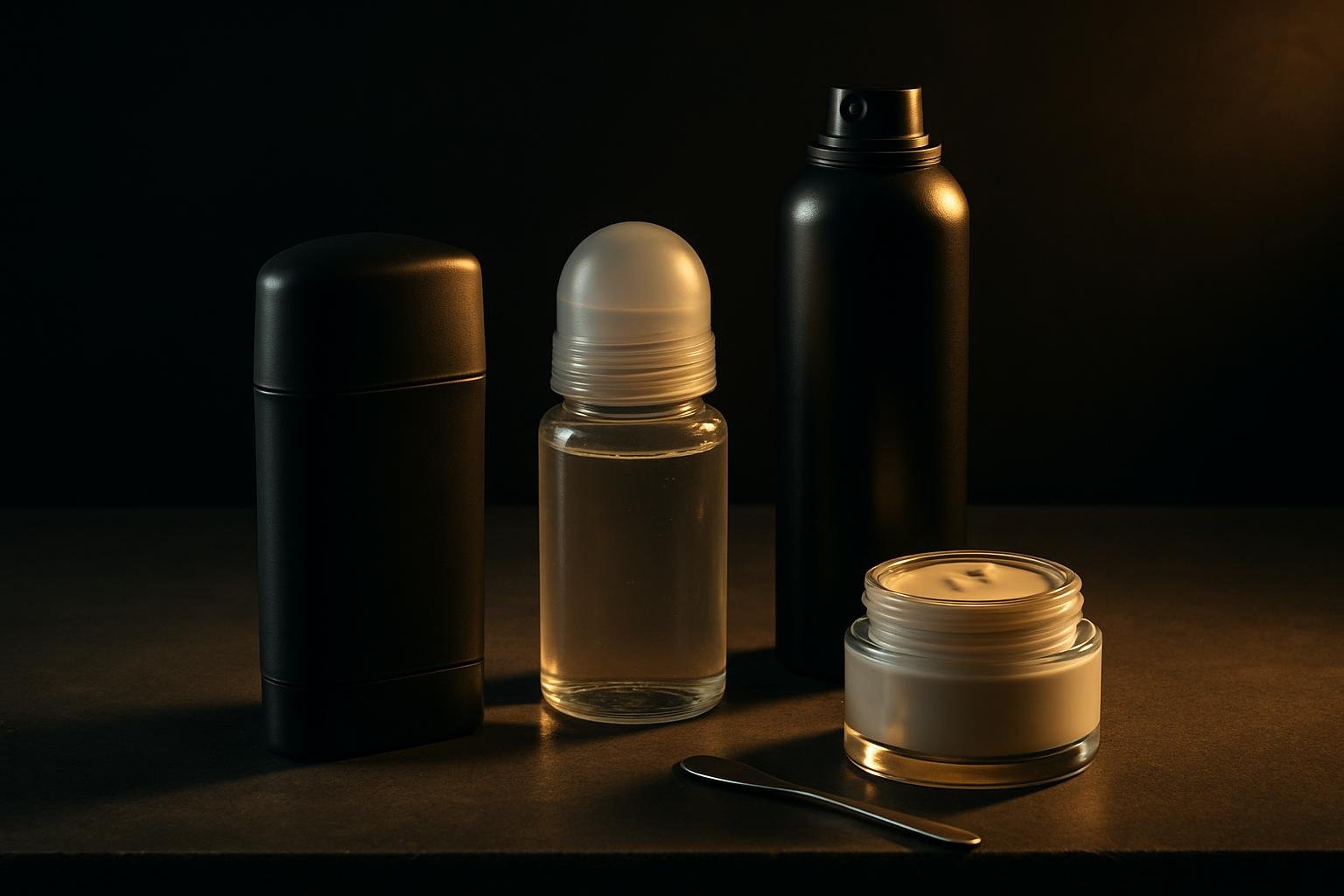
Choose format by fabric, fit, and sweat level. Use this to pick the right tool for the day.
- Solid stick (invisible or low-residue): Reliable all-rounder. Best under casual cotton tees and oxfords. Go easy on quantity to avoid buildup.
- Clear gel: Low residue and quick-drying. Great under fitted dress shirts. Let it set fully to prevent cold, damp marks.
- Roll-on: Precise application, minimal white marks. Good for sensitive skin formulas and travel.
- Spray (aerosol): Fast, even coverage. Useful post-gym. Ventilate and keep it light to avoid clouding your clothes.
- Cream/soft solid (in a jar or squeeze): High control, often gentler bases. Good for sensitive skin and for dialing in very small amounts.
Application timing
- Before bed for antiperspirant (thin layer).
- After shower for deodorant, once skin is fully dry.
- Reapply only to clean skin. If you can’t shower, use an unscented wipe first, dry, then one light pass.
Date-appropriate scents: smell like a man, not a locker
Keep it subtle. Your deodorant shouldn’t fight your cologne or smell like a sports drink. Aim for clean, adult, and low projection.
Scent profiles that work
- Light woods: Cedar, vetiver, sandalwood in soft concentrations. Smells grown-up and grounded.
- Citrus: Bergamot, grapefruit, or orange peel. Bright but not sugary. Fades cleanly.
- Green-herbal: Sage, rosemary, cypress. Fresh and mature without screaming “gym.”
- Powdery-musks (sheer): Clean-laundry vibe, low volume. Good if you skip cologne entirely.
- Unscented: The safest base when you wear fragrance. Layer with a refined spritz from this cologne guide.
How to test in-store
- Apply a tiny amount to your wrist, wait 5 minutes.
- Step outside for fresh air, then check: can you smell it at arm’s length? If yes, it’s too strong for a deodorant.
- Wear it for 2–3 hours. If it lingers louder than your cologne, choose unscented.
Rule of thumb: deodorant stays personal. Your date should smell you, not your pits.
Sensitive skin picks: keep it calm and clean
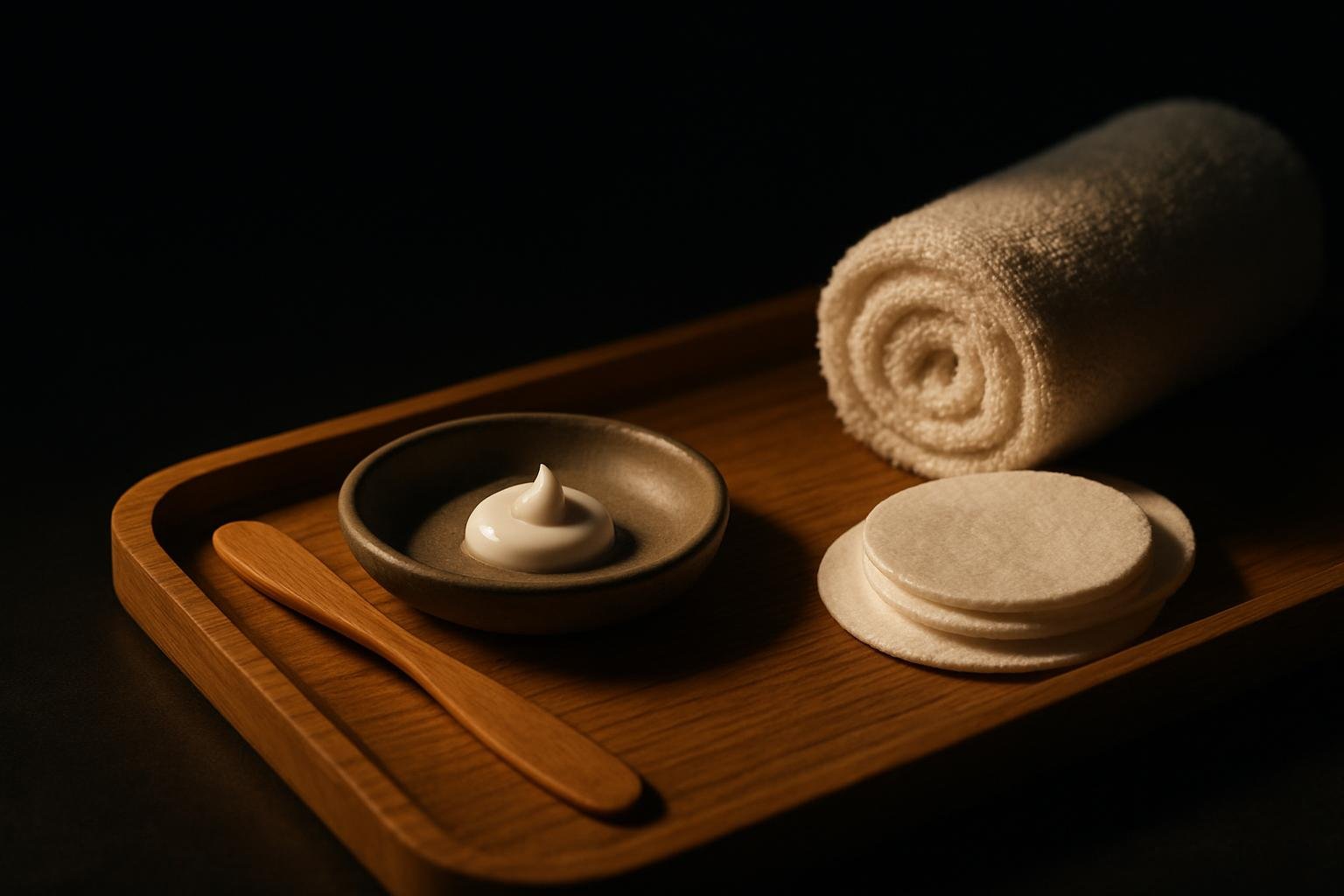
If your underarms get red or itchy, focus on simple bases and less fragrance. Stay in the grooming lane: if irritation continues after switching products and adjusting use, see a dermatologist for personalized advice.
What to look for
- Fragrance-free or very lightly scented formulas.
- Alcohol-free (often labeled as such in roll-ons and sprays).
- Baking-soda-free if you’ve had dryness or burning with natural deodorants.
- Magnesium- or zinc-based deodorants for odor control without heavy alkalinity.
- Cream formats with simple ingredients for precise, tiny applications.
Patch test (24 hours)
- Apply a small amount to the inner forearm.
- Wait 24 hours before full underarm use.
- If you feel stinging, rinse, skip that formula, and try another base.
Application matters: after showering, dry thoroughly. Use one thin layer. More product rarely means more protection—just more chance of friction.
Stop yellow stains and white streaks on shirts
Good deodorant shouldn’t ruin your wardrobe. Stains come from residue mixing with sweat and sitting in fabric too long. Fix it with smarter use and simple laundry habits.
Before you dress
- Apply a thin layer only. If you can see a thick film, wipe and reapply lightly.
- Wait 2–3 minutes for it to dry. Fan with a towel if you’re in a rush.
- Use clear gel or roll-on under tight, light-colored dress shirts.
- Consider a light undershirt with a higher sleeve cut to absorb moisture on big-meeting days.
Laundry routine that saves shirts
- Same day: If you sweated, don’t let the shirt sit in a hamper. Rinse underarms with lukewarm water.
- Pre-wash: Work in a gentle liquid detergent with fingers or a soft brush for 30–60 seconds.
- Wash: Use the warmest setting safe for the fabric. Avoid overloading the machine.
- Air dry first: Heat can set any remaining marks. If the stain is gone, tumble dry next time.
If a shirt already has set-in yellowing, retire it to casual duty. Going forward, lighter applications and quicker washes keep your rotation crisp.
A simple routine that works all week
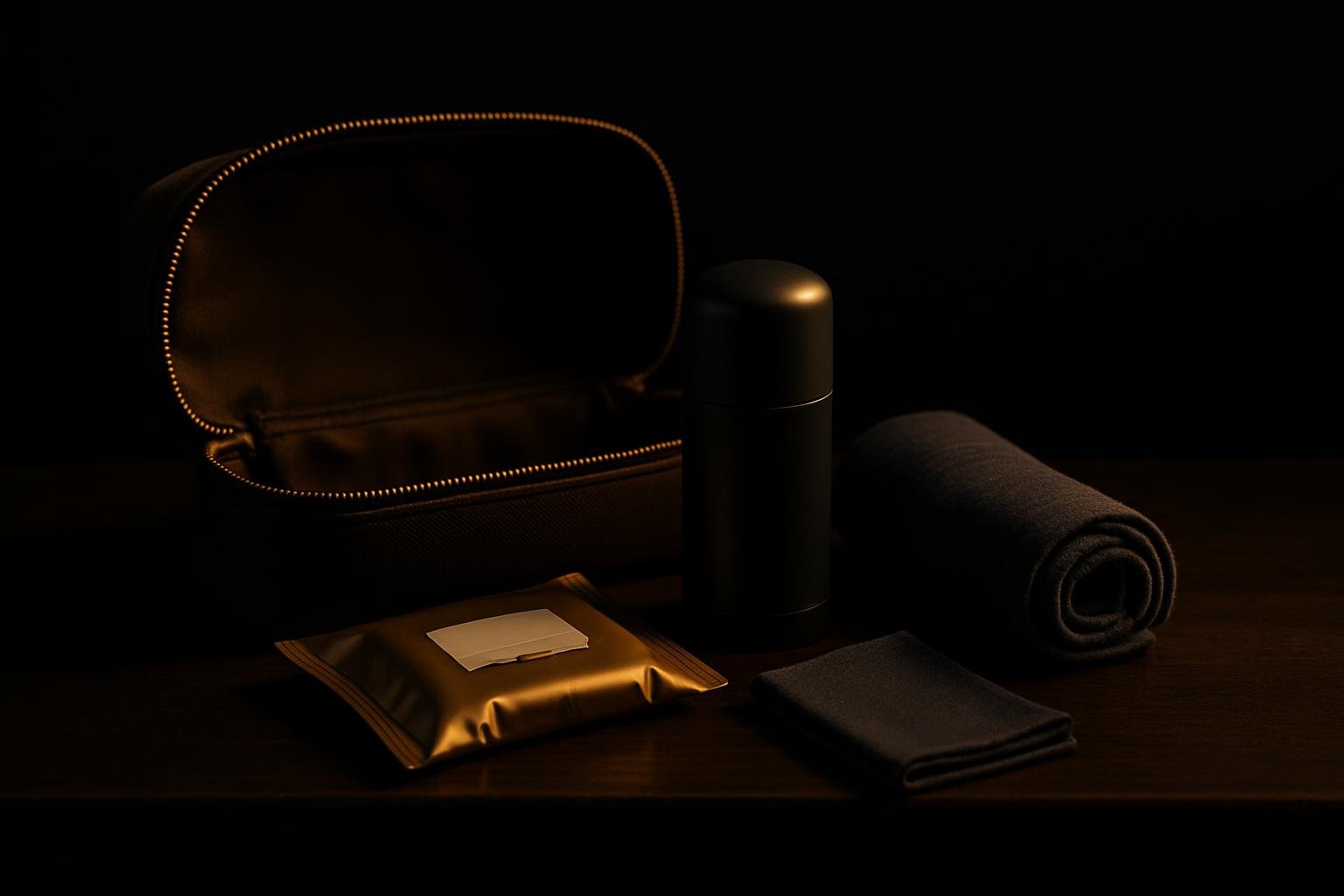
Your goal is predictable freshness with minimal fuss. Here’s a week-proof plan you can run on auto-pilot.
Everyday template
- Night: If wetness is an issue, apply a thin layer of antiperspirant to clean, dry skin.
- Morning shower: Rinse well under arms. Pat completely dry.
- Deodorant: Apply a light layer (2–3 stick swipes, or a thin gel/roll-on film). Wait 2–3 minutes before dressing.
- Clothing: For important days, choose breathable fabrics and avoid ultra-tight armpit seams.
- Midday check-in: If needed, cleanse with an unscented wipe, dry, and reapply once. No stacking on top of sweat.
Gym and travel kit (fits in a dopp)
- Travel-size deodorant (unscented if you also carry cologne).
- Unscented body wipes.
- Spare breathable tee.
- Small microfiber towel to fully dry before reapplying.
Keep the rest of your grooming aligned with the same adult standard. Trim nose and ear hair (guide here) and keep nails neat (basic nail care). Smelling clean lands harder when the rest is dialed.
If you want an outside eye on the whole picture—face, hair, style, grooming—Suvant gives you a free image audit in about two minutes. Upload three photos at app.getsuvant.com, see the real reasons behind your scores, and get ranked next moves you can actually do.
Get the honest audit you've never gotten.
Three photos, eight scores, the real reasons behind each number, then a ranked plan to fix them one move at a time.
Get my free audit →