Sport Coat Fit Rules Every Man Over 40 Needs
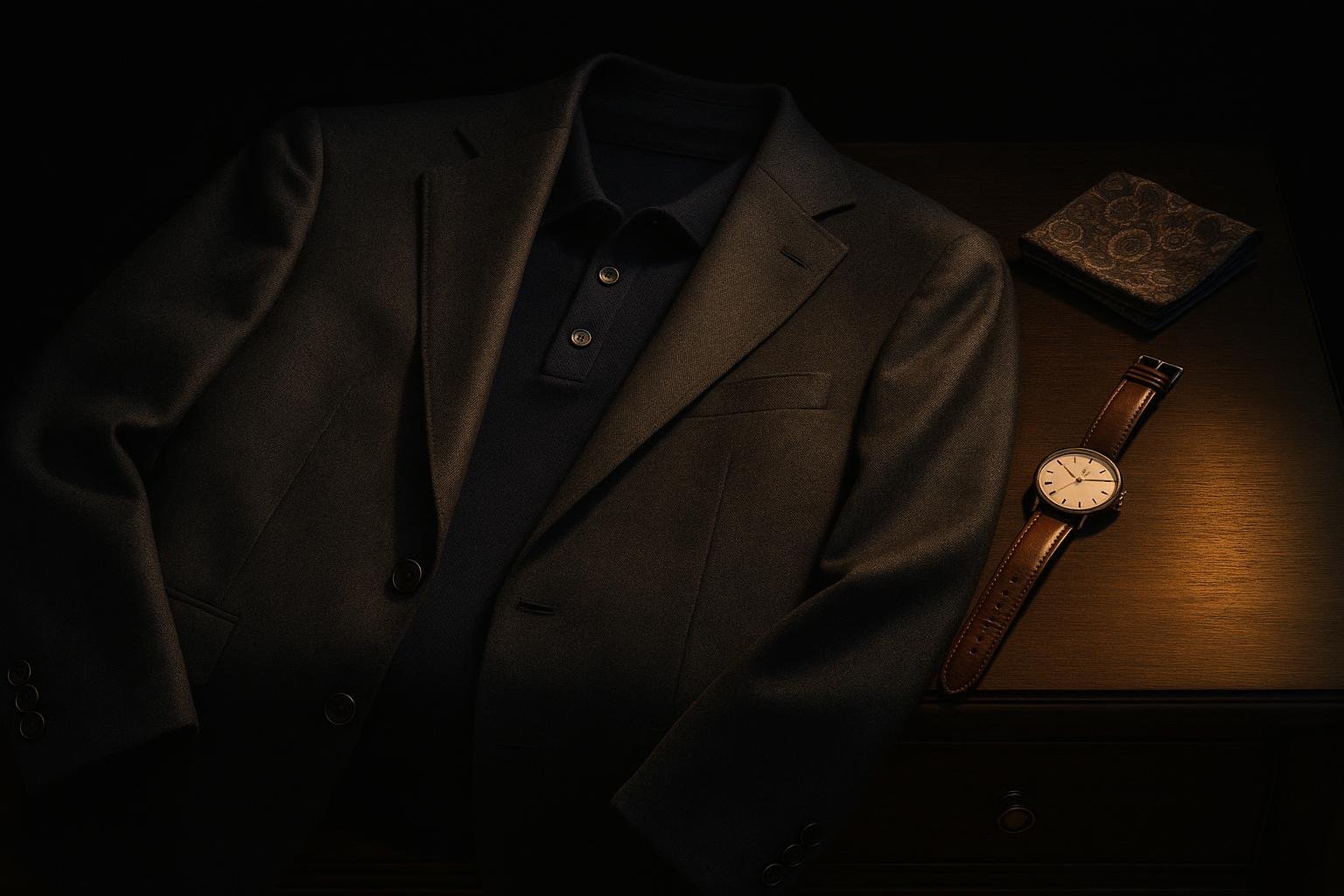
- Buy the shoulder fit first; almost everything else can be tailored.
- Sleeve bones to thumb knuckle is your measuring stick for sleeve length.
- Jacket hem should split your hand in half when arms rest at sides.
- The collar must hug the shirt collar with no gap; fix with a simple collar roll adjustment.
- Do a 90‑second mirror test: posture, buttons, vents, and movement before you buy.
The 90‑Second Sport Coat Fit Test (Answer First)
How should a sport coat fit? Clean through the shoulders, close through the chest and waist without pulling, sleeves to your wrist bone, and a hem that hits mid‑hand. Here’s the fast mirror test before you even look at brand tags:
- Shoulders: Stand neutral. The jacket seam should sit exactly where your shoulder bone turns downward. No overhang. No divot. If the seam sits past that point or you see ripples on top, walk away.
- Chest button test: Button the top button on a two‑button coat (middle on a three‑button). Slide a flat hand between jacket and shirt at your sternum. You want about one flat hand of room—snug, not squeezing. If the lapels bow or the button pulls an “X,” size up or try a different cut.
- Waist shape: With the same button closed, rotate side to side. The skirt of the coat should move with you, not fight you. If you feel trapped in the ribs, the chest is too tight; if it spins like a bathrobe, it’s too big (a tailor can take 1–2 inches total through the sides; more than that distorts pockets).
- Sleeve length: Arms at your sides, relaxed. Sleeves should hit at the wrist bone (the little bump before the hand). Target 1/4–1/2 inch of shirt cuff showing. No shirt? Aim for sleeves ending right at that wrist bone.
- Jacket length: With arms down, cup the bottom of the jacket. It should split your hand roughly in half and cover your seat. Too short looks toy‑like; too long looks borrowed.
- Collar lay: Turn sideways. The jacket collar should kiss the shirt collar with no daylight. A small wrinkle under the collar (collar roll) is tailor‑fixable; a big gap means the back is too short or shoulders off.
- Vents and back: Check the rear mirror. Vents should hang closed. If they flare like curtains, the hips or seat are tight. If the back ripples like waves, the shoulders or posture balance is off.
- Move: Reach both arms forward like you’re hugging a barrel. You should feel resistance but not pain. If the button strains into an “X,” unbutton to move—normal. If seams groan, sizing or pattern is wrong.
Pass these eight checks and you’ve found a coat that will look sharp today and better after minor tailoring.
Shoulders, Chest, Waist: Buy‑or‑Walk Rules
You’re over 40. Your time matters. Use these hard rules so you don’t fund a tailor’s science project.
Shoulders (non‑negotiable)
- Seam placement: Directly at the shoulder break. Overhang more than 1/4 inch creates sagging and dimples a tailor can’t fix.
- Divot check: If you see a bite‑shaped dent at the front sleevehead, the shoulder is too extended or the armhole mismatch is bad. Try a different size or cut.
- Padding balance: If one shoulder sits higher (most men have this), a tailor can pad the low side slightly. That’s a simple balance tweak—green light.
Chest (choose your ease)
- Flat‑hand rule: One flat hand between coat and shirt at the sternum when buttoned. Less than that bows the lapels; more than that balloons.
- Lapels lie flat: If lapels float off the chest, the chest is too tight or the canvas shape is wrong for you. Don’t buy hoping it will "break in." Sport coats aren’t sneakers.
Waist (tailor‑friendly)
- Shaping range: Most off‑the‑rack coats allow 1–2 inches total for taking in or letting out across side seams and center back. Ask: “How much cloth is in the seams?” You want at least 3/8–1/2 inch seam allowance on each side.
- Button stance: On a two‑button, the top button should sit 1–2 inches above your navel. If it’s much higher, your torso looks chopped; much lower, you look droopy. You can’t move button stance meaningfully—choose right in the fitting room.
Walk‑away signs
- Shoulder seam past your deltoid or deep divots you can spot across the room.
- Heavy lapel bowing when buttoned, creating a stressed "X" at the midsection.
- Back and vents exploding open even when you stand tall and still.
Sleeves, Jacket Length, Collar: Set the Lines
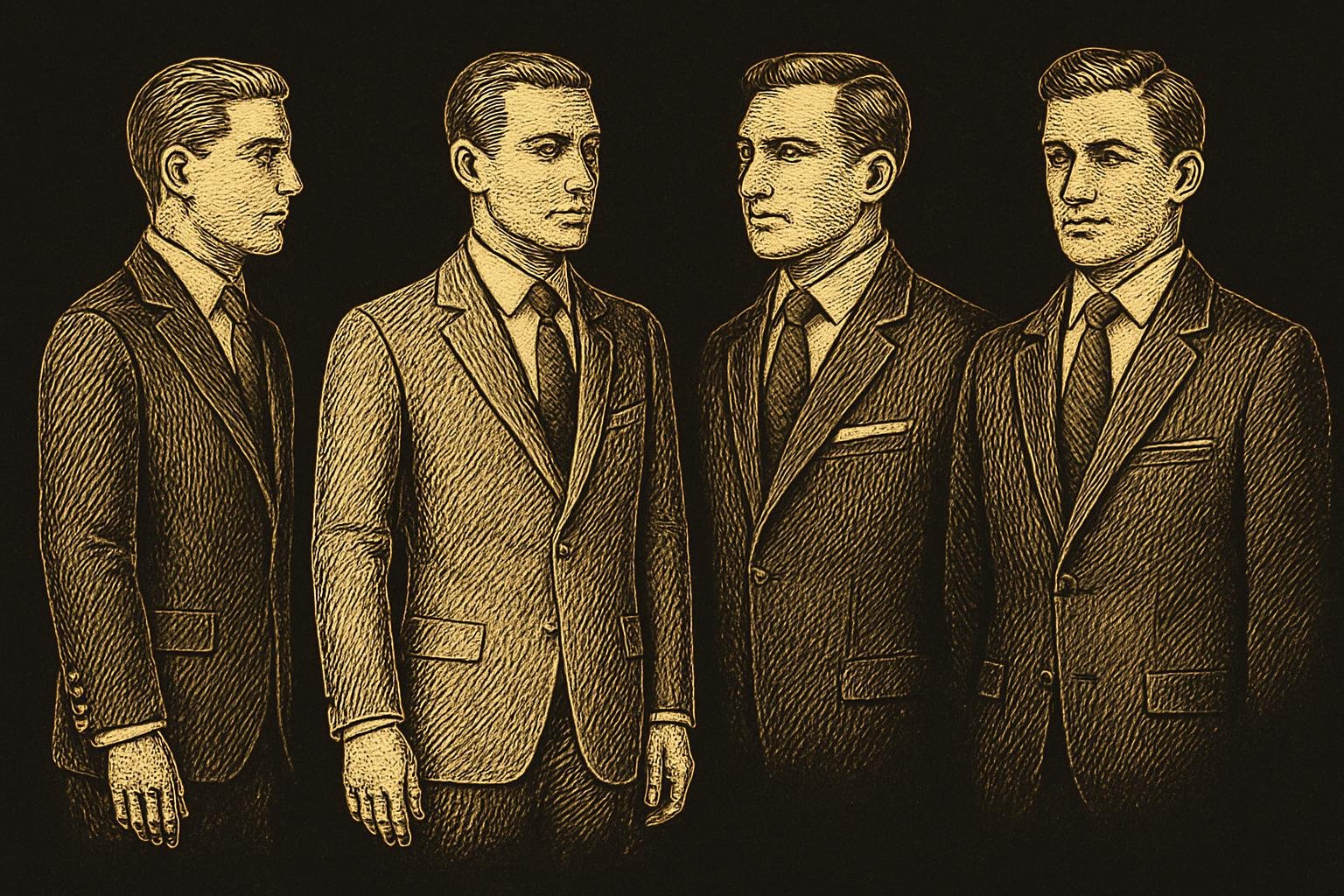
These are the lines people read first in photos and across a room. Nail them and the coat looks intentional, not inherited.
Sleeve length
- Target: End at the wrist bone, showing 1/4–1/2 inch of shirt cuff. If you wear a watch, fit sleeves to show a consistent sliver even over the watch.
- Quick check: Bend your arms to 90 degrees. Sleeves shouldn’t jump halfway up your forearm. If they do, they’re too short or the armhole is low.
- Tailoring note: Simple to shorten/lengthen from the cuff up to about 3/4 inch if there’s working buttonholes (surgeon’s cuffs complicate but are still doable); more range from the shoulder but that’s a bigger job.
Jacket length
- Hand rule: Hem splits your hand in half when arms hang naturally and covers your seat.
- Torso height tweak: If you have a shorter torso, you can go slightly shorter but never above the wrist knuckles. If you’re long‑torsoed, a touch longer keeps proportions honest.
- Tailoring note: Hem can be shortened a modest amount if pockets and button stance stay balanced. If shortening would crowd the pockets, pass.
Collar lay
- Zero gap: Jacket collar should hug the shirt collar with no daylight at the back of the neck.
- Wrinkle vs. gap: A small horizontal wrinkle under the collar (collar roll) is a common, easy fix. A big finger‑wide gap signals a pattern mismatch—choose another coat.
- Posture test: Stand tall, then relax. If the gap appears only when you slouch, the coat is fine—fix the posture, not the pattern.
How to Try On Off‑the‑Rack Like a Pro
Walk into a store with a plan and a script. You’ll save an hour and walk out confident.
Before you go
- Wear a collared shirt you actually wear with sport coats. Bring your dress shoes and the belt you’d pair with the outfit.
- Empty your pockets. A phone and keys will drag the lines downward and lie to you.
- Decide your color lane this season: navy, charcoal, mid‑brown, or olive. Start neutral; texture over pattern until fit is dialed.
In the fitting room: 7‑step flow
- Start with shoulders: Ask: “Can we pull this in my true shoulder size first?” Try your measured size and one size up and down.
- Do the button test: Button the stance button and use the flat‑hand rule.
- Check the back: Face away from the mirror, hold your phone up to selfie the vents and upper back. Look for flaring vents or ripples.
- Set sleeve length: Note how much to move. Say: “Let’s mark sleeves to the wrist bone, leaving 3/8 inch shirt cuff.”
- Confirm hem: Check the hand rule. If hem crowds pockets when pinned shorter, try another model.
- Move test: Reach forward, hands to 10 and 2 on an imaginary wheel. You want mild resistance, not strain noises.
- Sit test: Sit and lean forward slightly. The coat should not saw your armpits or yank at the button.
What to tell the associate or tailor
- “Shoulders fit; I need the waist shaped 1/2 inch total and sleeves shortened 1/2 inch to show cuff.”
- “Collar has a small roll—please take in at the collar.”
- “Hem is good; do not touch pockets or button stance.”
Want a second set of eyes before altering? Suvant’s image audit scores your jacket fit and gives you a plain‑English tailor brief you can hand over—exact inches, where to pin, and a reference photo. It’s built with input from barbers, wardrobe stylists, and portrait photographers, and lives at app.getsuvant.com.
Tailoring Playbook: What to Alter, What to Skip
A good tailor cleans up a solid purchase; they don’t rescue a bad one. Here’s the practical menu for sport coats.
Green‑light alterations (common, clean results)
- Sleeve shorten/lengthen from cuff: About 1/4–3/4 inch typical. Mind the buttonholes; if functional, expect a more careful job.
- Take in or let out waist/side seams: 1/2–1 inch per side combined (ask about seam allowance). Smooths the silhouette without shifting pocket alignment.
- Collar roll reduction: Small bite out of the collar seam to sit the collar flat against the shirt.
- Minor hem tweak: Shorten slightly if pockets and proportions stay balanced.
Yellow‑light (possible, case by case)
- Sleeve from the shoulder: Needed when you must keep functioning buttonholes aligned or you need more than ~3/4 inch. More labor; only if the coat is otherwise perfect.
- Rotate sleeves for divots: Can soften a mild divot. Won’t fix oversized shoulders.
- Let out center back for vent flare: Works if there’s cloth in the seam and seat/hips need a breath.
Red‑light (skip it)
- Major shoulder rebuild: Time‑consuming and rarely clean on off‑the‑rack. Choose a different coat.
- Move button stance noticeably: Distorts lapel roll and balance.
- Radical sizing down: If you need more than ~2 inches total taken in, you picked the wrong size or cut.
Turnaround and expectations
- Simple sleeve/waist work: Often a few days to a week, depending on the shop’s queue. Plan fittings accordingly.
- Bring the right shirt: Have your tailor pin you while wearing the shirt you’ll use most. That 1/4 inch of cuff matters.
- Stand naturally: Don’t puff your chest while pinned. The coat will remember your pose and punish you later.
Style It Smart After 40: Simple Pairings That Work
A right‑sized sport coat should be easy to wear three ways in your week. Keep the outfits simple so the fit stays the headline.
Three reliable uniforms
- Navy textured coat + mid‑grey wool trousers + white or light blue OCBD + brown leather shoes: Business‑casual done like an adult.
- Brown or olive coat + dark denim (no rips) + pale chambray shirt + suede boots: Weekend sharp without trying.
- Soft charcoal coat + black knit polo + charcoal chinos + white leather sneakers: Modern, quiet, and clean.
Fit‑first finishing touches
- Shirt collars: Medium spread or button‑down that sits inside the lapels; no tiny collars disappearing under the jacket.
- Belts and shoes: Keep leathers in the same color family for cohesion. See our guide on matching belt and shoes.
- Layer weight: A thin merino or cashmere sweater adds warmth without bulking the chest. If the vents start to pull, remove the layer—don’t fight physics.
Keep learning without the noise
If you’re rebuilding your closet, start with pieces that mix and match. Our notes on a tight capsule wardrobe for men over 40 and common style mistakes to skip after 40 are a clean next step.
If you want precise feedback on your own jackets, Suvant’s free image audit takes about two minutes and turns into a ranked plan—what to buy next, what to tailor, and a barber‑level brief you can hand to your shop. If it’s useful, the full plan runs $89/yr with a money‑back guarantee.
Get the honest audit you've never gotten.
Three photos, eight scores, the real reasons behind each number, then a ranked plan to fix them one move at a time.
Get my free audit →