Find Your Best Colors Without the Nonsense
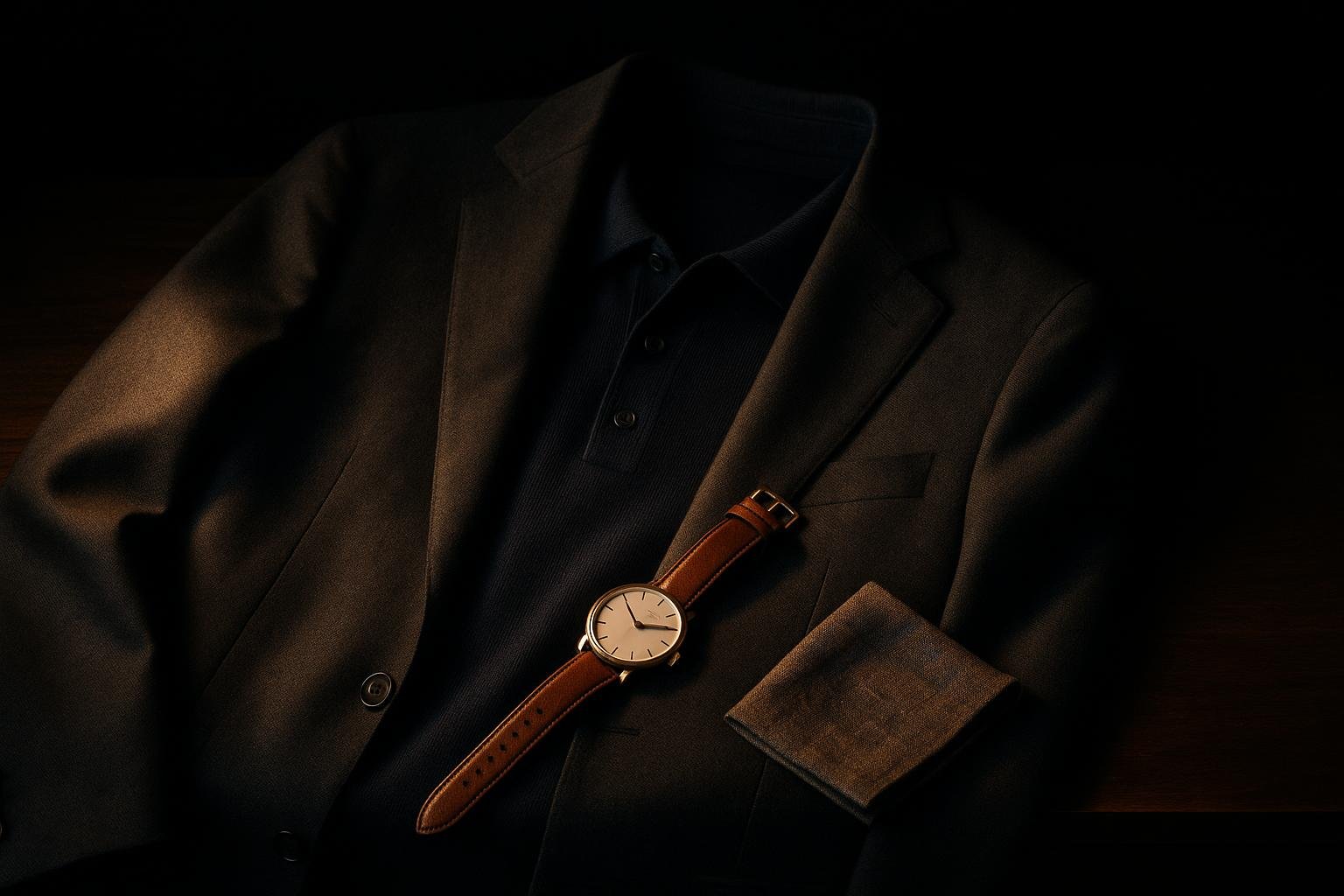
- Test undertone in daylight using white vs cream, silver vs gold, and paper comparison—decide warm, cool, or neutral in minutes.
- Start with a universal palette: navy, charcoal, mid‑gray, white, olive, indigo denim, and dark brown.
- Avoid beige near your face unless you’re very warm or deep; wear it below the waist or break it up with contrast.
- Match metal tones to undertone (cool–silver, warm–gold, neutral–either) and keep frame and leather colors within your palette.
- Use outfit contrast to echo your natural contrast: high-contrast men look best in sharper light–dark pairings; low-contrast men in softer blends.
The quick start: find your colors in 10 minutes
You don’t need a color wheel or a stylist. You need daylight, two T‑shirts, and a mirror. Do these in order. Take notes on your phone.
- Set the light: Stand near a window in daylight. No overhead lamps. Remove hats and tinted glasses.
- White vs cream test (core): Hold a true white T‑shirt under your chin, then an off‑white/cream one. If white makes your skin look clearer and your eyes pop, you skew cool. If cream smooths you out and white looks harsh, you skew warm. If both work, you’re likely neutral.
- Silver vs gold test: Hold a silver key and a gold ring (or brass) by your face. Silver flattering = cool. Gold flattering = warm. Both okay = neutral.
- Paper test: Place plain printer paper beside your cheek. If your skin reads rosy/pink next to it, that supports cool. If it reads golden/peach, that supports warm. Mixed or neither = neutral.
- Sunlight check: Step back and look at the whole picture: Which combo made your eyes brightest and skin most even? That’s the call. Don’t overthink undertone names—pick the bucket your tests point to.
- Use the universal safe palette now: Regardless of undertone, you can wear these near your face with confidence: navy, charcoal, mid‑gray, optic white, olive, indigo denim, and dark brown.
- Make two quick buys: If your closet is chaos, buy: (A) a navy casual jacket (cotton or wool blend), (B) two tees or polos in white and mid‑gray. These immediately clean up photos and dates.
That’s the answer. Undertone sets the accents. The universal colors do the heavy lifting. The rest of this guide shows you how to build smart around it.
Undertone that actually matters: warm, cool, neutral
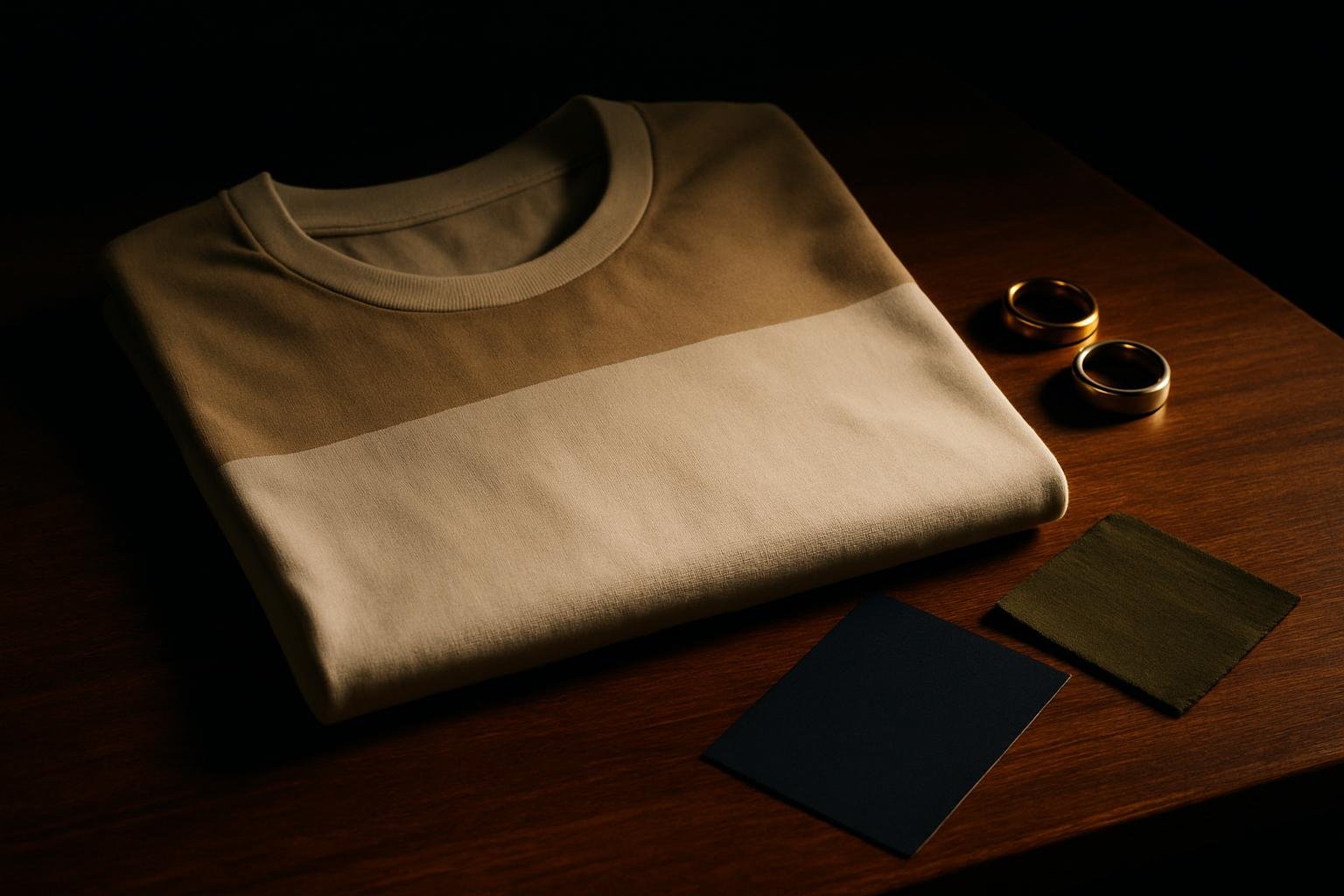
Undertone isn’t mood or tan level. It’s the base temperature of your skin. You only need a good‑enough call to pick shirt, jacket, and accessory colors that flatter your face.
Three reliable tests (stack the evidence)
- White vs cream: If white brightens you and cream dulls you, you’re cool. If cream calms redness and white looks stark, you’re warm. If both are fine, you’re neutral.
- Silver vs gold: Silver (cool), gold (warm), either (neutral). If you have mixed feelings, ask a friend to pick which looked fresher without telling them the goal.
- Color drape quickies: Hold a blue tee and a rust/burnt orange tee to your collarbone. Blue flattering hints cool; rust flattering hints warm; both workable hints neutral.
What your call changes
- Cool undertone: Prioritize navy, charcoal, cool grays, optic white, blue‑greens, burgundy, plum. Treat tan/beige, mustard, and tomato red cautiously near your face.
- Warm undertone: Prioritize olive, warm navy, cream, camel, chocolate, forest, rust. Be cautious with icy grays, stark black‑white contrast at the collar.
- Neutral undertone: You can bridge both sides. Keep saturation moderate: navy, mid‑gray, white, olive, teal, soft burgundy. Extremely icy or neon shades can overpower.
Not sure? Call yourself neutral and stick to the universal palette for tops. Add accents slowly and judge by daylight.
The universal safe palette for men 35–55
These colors flatter almost every man and simplify outfits. They photograph well. They work for work, dates, and weekends.
- Navy: Jackets, sweaters, polos, chinos. Plays well with white, gray, olive, brown.
- Charcoal and mid‑gray: Knit tees, crewnecks, trousers, outerwear. Sharp without shouting.
- Optic white: Crisp tees, oxford shirts. Wear when you want a fresher face in photos.
- Olive: Field jacket, overshirt, chinos. Adds interest without risk.
- Indigo denim: Jeans and trucker jackets in a dark, even wash. Cleaner lines.
- Dark brown: Boots, belts, leather jackets, watch straps. Warmer than black, more forgiving.
Where beige goes wrong (and how to fix it)
Plain beige near your face can drain color, exaggerate under‑eye shadows, and highlight redness. That’s most visible in photos and bathroom lighting. Wear beige below the waist (chinos) and keep your top in navy, white, or gray. If you love light neutrals up top, choose light gray or stone instead of yellow‑beige, or add a navy jacket to break it up.
Quick buys that cover 80% of life
- Navy casual jacket (unstructured cotton or wool blend)
- Two tees: white and mid‑gray, 180–220 gsm for good drape
- Dark indigo jeans, straight or athletic taper, no whiskers
- Olive overshirt or lightweight jacket for texture
- Brown leather belt and boots to anchor outfits
Building a tight wardrobe in these colors is the backbone of a smart capsule. When you’re ready, see our guide to a lean closet here: capsule wardrobe for men over 40.
Build your palette by undertone and depth
Use undertone for accents and shirt colors, then adjust depth (how light or dark) to match your hair/skin contrast.
Cool undertone
- Bases: Navy, charcoal, mid‑gray, white, indigo.
- Accents: Burgundy, forest green (cool), teal, icy blue, violet‑plum.
- Skip or limit: Mustard, camel, tomato red, yellow‑beige at the collar.
Warm undertone
- Bases: Navy (slightly warmer shade is fine), olive, cream, chocolate, camel.
- Accents: Rust, terracotta, warm teal, moss, warm burgundy (more brick than wine).
- Skip or limit: Icy grays, optic white against a tan line, neon blues.
Neutral undertone
- Bases: Navy, mid‑gray, white, olive, chocolate.
- Accents: Teal, soft burgundy, slate blue, muted rust. Keep saturation mid‑level.
- Skip or limit: Very icy tones and very yellow beiges—both can look off.
Match depth to your natural contrast
- High contrast (dark hair, light skin or gray hair with dark brows): Wear crisp pairings like white tee + navy jacket or light blue shirt + charcoal blazer.
- Medium contrast: Blend with mid‑gray + navy, olive + white, denim + charcoal.
- Low contrast (light hair + light skin, or very deep skin + dark hair/eyes): Go tonal: stone + light gray or dark olive + chocolate. Avoid harsh black‑white at the collar.
When a color feels right, you’ll see clearer eyes and smoother skin tone in daylight. That’s your signal to keep it.
Use color well: outfits, contrast, and photos
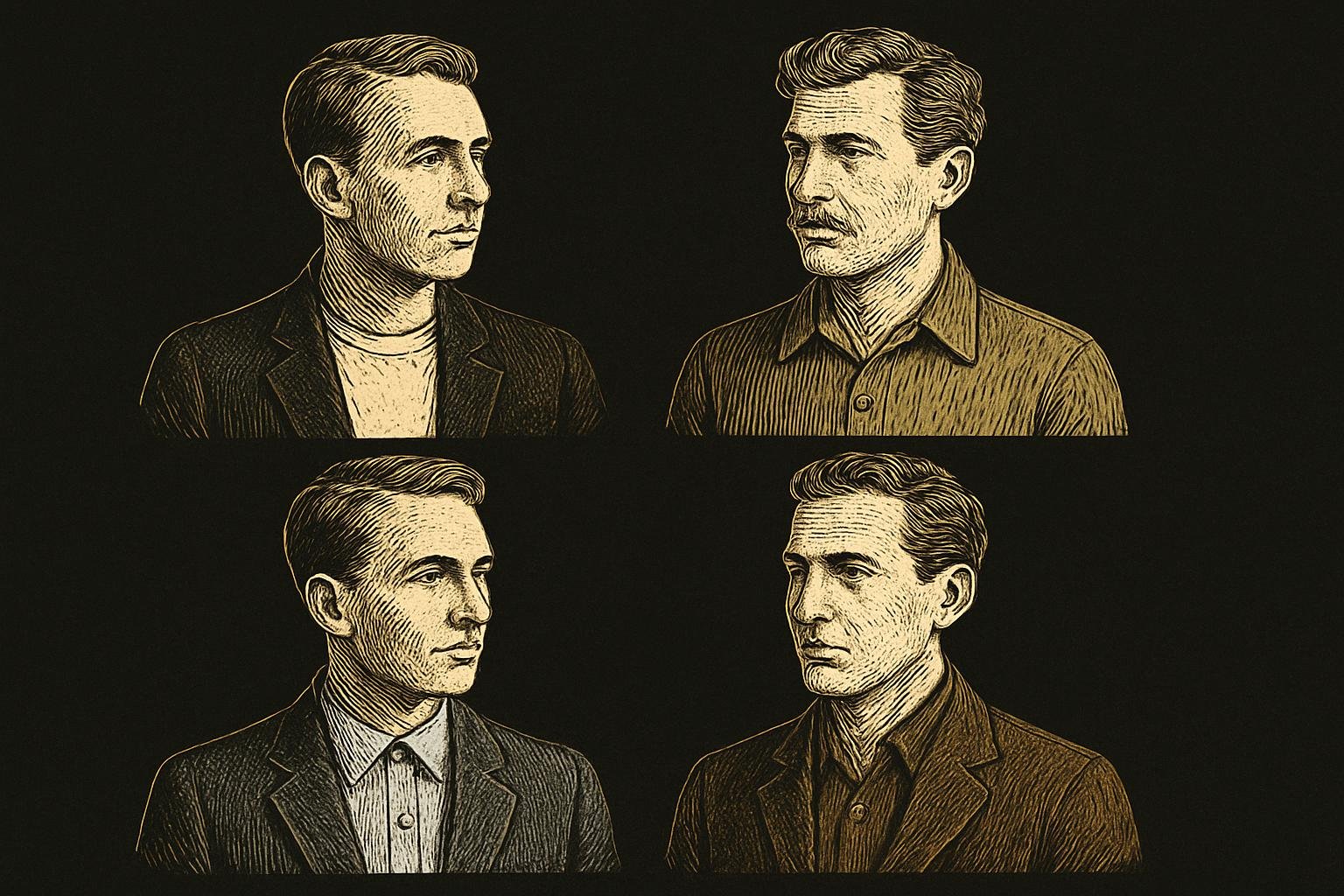
Color is most obvious at the collar and in photos. Build from there. Here are proven combos that read sharp on camera and in person.
Outfit recipes (copy these)
- Smart casual, cool undertone: Mid‑gray tee, navy unstructured blazer, dark denim, brown boots.
- Smart casual, warm undertone: Cream knit polo, olive overshirt, dark denim, brown loafers.
- Dress casual, any undertone: White oxford, charcoal trouser, brown belt, navy jacket. Add a muted accent sock (teal or burgundy).
- Weekend: Navy hoodie, white tee, olive chino, clean white sneakers.
Photo settings that flatter your colors
- Daylight only: Find open shade. Avoid mixed indoor light that yellows whites and greens.
- Solid tops beat tiny patterns: Moiré ruins photos. Use solids or bold, simple patterns.
- Contrast near your face: Add a navy jacket over a light tee to define your jawline on camera.
If you want a no‑BS read on how your clothes and colors are landing in photos, the Suvant image audit scores your face, hair, skin, body, style, grooming, photos, presence and gives ranked next moves—like the exact jacket shade or tee color to buy. It’s free to try at app.getsuvant.com and the full plan comes with a money-back guarantee.
For first‑date specifics that stick to this palette, see our guide: what to wear on a first date over 40.
Accessories, metals, and glasses that back you up
Small color choices can make or break the area around your face. Keep them in your lane.
Metals
- Cool undertone: Prioritize stainless, silver, white gold. Black watch dials, navy straps work well.
- Warm undertone: Prioritize yellow/rose gold, brass, bronze. Brown leather, green dials, and cream faces play nicely.
- Neutral undertone: You can mix. Keep it deliberate—one dominant metal at a time.
Leather and fabric
- Belts/shoes: Dark brown is the universal anchor. Espresso for cool wardrobes, chocolate/cognac for warm. Black pairs best with charcoal/black outfits.
- Watch straps: Navy, olive, or gray fabric NATOs; brown leather as default. Match strap depth to outfit depth.
- Socks: Match trouser first (navy with navy), then echo an accent (burgundy, teal) when you want interest.
Eyewear frames
- Cool undertone: Gunmetal, black, tortoise with more black than honey, navy translucent acetates.
- Warm undertone: Tortoise with honey tones, olive, brown, matte gold.
- Neutral undertone: Charcoal, classic tortoise, deep teal. Keep sheen matte to avoid glare.
If you color your beard or hair, match depth, not drama—slightly cooler or warmer than your natural can look odd. When in doubt, see a professional colorist for a natural result; we’ll stay in our lane here.
Your 30‑day plan (and what to buy first)
Clarity beats shopping sprees. Follow this sequence and you’ll lock your palette with minimal waste.
Week 1: Decide and test
- Run the white vs cream and silver vs gold tests in daylight. Pick warm, cool, or neutral.
- Try two accent tees or polos that fit your call: cool (teal, burgundy), warm (rust, forest), neutral (slate, soft burgundy). Take two selfies in open shade and compare to navy and gray basics.
- Remove near‑face beige for now. Move khaki tops to the back of the closet.
Week 2: Lock the base
- Buy or pull a navy jacket and mid‑gray knit. Ensure both fit clean at the shoulders.
- Standardize denim: one pair of dark indigo, no rips, hem to a single break.
- Add an olive layer (overshirt/field jacket) for texture.
Week 3: Accessories that support the story
- Pick a metal family (silver for cool, gold/bronze for warm, either for neutral). Align your watch and ring.
- Choose a belt + shoe combo in dark brown. Replace worn, orange‑cast leather.
- Select eyewear in your lane (gunmetal/black for cool, honey tortoise/olive for warm, charcoal/tortoise for neutral).
Week 4: Edit and commit
- Try one accent knit or shirt that flatters—burgundy (cool/neutral) or rust/forest (warm/neutral). Wear it on a day you’ll be photographed.
- Donate or store tops that fight your undertone (yellow‑beige tees, neon brights, icy pastels that wash you out).
- Make a two‑line shopping list you’ll actually use: 1 jacket color, 2 shirt colors, 1 accent.
What to say at the store
- “I’m building around navy, gray, and olive. Show me crewnecks and overshirts in those, plus one shirt in [burgundy/teal/rust].”
- “I need a dark, even indigo without distressing. Athletic taper if it exists.”
- “Do you have this in a cooler gray instead of beige?”
If you want outside eyes on your progress, Suvant’s audit turns this into a simple quest list with exact deliverables—like a barber brief, but for clothes and photos—and re‑checks you monthly so you can course‑correct fast.
Keep it simple. Nail the base colors, add one accent, and avoid beige at the collar unless you’ve confirmed it loves you. You’ll look sharper in real life and on camera, with less effort than you expect.
Get the honest audit you've never gotten.
Three photos, eight scores, the real reasons behind each number, then a ranked plan to fix them one move at a time.
Get my free audit →